Last year, I bought a COVID-19 insurance policy for only 49 yuan, which would provide 20,000 yuan in compensation after infection.
Later, I really got infected. This is not surprising. Perhaps because it was too common, exceeding the insurance company’s expectations, I encountered some difficulties in the claim process. For nearly three months after the diagnosis, the insurance company consistently refused to pay according to the contract. They offered “caring funds” and “compensation”, ranging from 500 to 3,000 to 5,000 yuan.
This felt like a negotiation, making me doubt whether I had become a “bad person” who only cared about profit. I was even forced to ask myself: Am I protecting my rights or making things difficult for the insurance company? Would my persistence lead to the collapse of a state-owned enterprise? And, is this just a trivial matter, only related to my own emotions?
I finally decided to write it down. This is not only because it may concern hundreds of thousands, even millions, of people in the same situation as me, but also because this is not unfamiliar to us; the same logic and contradictions happen repeatedly in our lives, and I cannot turn a blind eye.
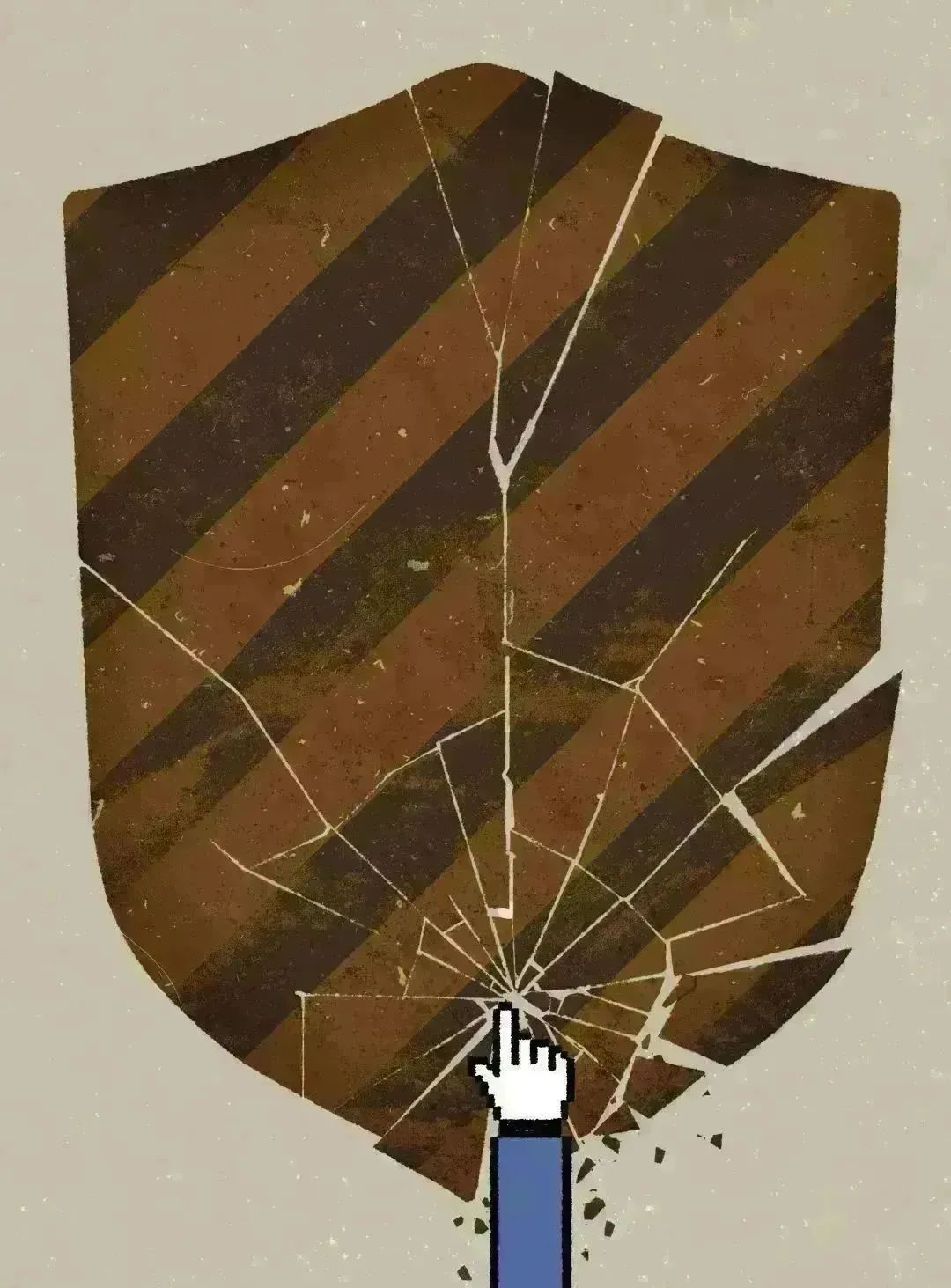
This time it’s to prove I tested positive.
On December 16, 2022, I felt a slight sore throat and a burning sensation in the back of my palate. The next evening, I started to have a fever. On the day the symptoms appeared, a piece of news was circulating on social media: a netizen bought China Life’s COVID-19 insurance, and now they tested positive, but the insurance company said that Omicron is not COVID-19.
I bought a COVID-19 insurance policy from Taiping Property Insurance at the beginning of the year, with a premium of 49 yuan. According to the contract, if I were infected with the novel coronavirus (including variant strains) within a year, I could receive a confirmed diagnosis allowance of 20,000 yuan.
At the time, I didn’t think I would get the compensation. I saw this as a stroke of luck. I happened to buy an insurance policy, the policy happened to be relaxed, I happened to be infected, and I happened to be able to prepare all the materials. So many coincidences could add up to 20,000 yuan. Would such a good thing really happen to me?
On the third day of the symptoms, I saw the second line on the antigen test kit. My intuition told me that I should at least try my luck. I called the insurance company’s customer service. The customer service staff asked about the date of infection, the results of the antigen or nucleic acid test, and asked me to wait for the claims adjuster to contact me. Then I received a text message confirming the claim.
After reporting the claim, I joined a WeChat group called “Taiping Property Insurance Refuses to Pay Claims Group 2”. This group had more than three hundred people from all over the country, and new people joined one after another. Most people had reported their claims and received confirmation text messages from the insurance company, which also included the name and phone number of the insurance investigator. But no one could get through this number, it was always switched off or unreachable, and no one had received a call from this number.
There were no successful claims in the group. My claim number ended in 202200042168, which meant that I was the 42,168th person to report a claim for this insurance in 2022. By the end of the year, the number had reached around 60,000 and was still increasing. This was only the case for Taiping Property Insurance. According to incomplete statistics, at least 6 insurance companies’ products included clauses for immediate payment upon COVID-19 diagnosis.
The group members’ discussions revolved around two topics: first, how to obtain the required materials for claims; second, how to make the matter bigger. The methods thought of included complaints, lawsuits, posting on Douyin, creating trending topics, and going to the company’s headquarters as a group.
I decided to strive for claims through a reasonable and compliant process. The first thing I needed to do was: prove that I had contracted COVID-19.
On December 20, with the symptoms slightly lighter, I prepared to go to the hospital for an examination. A total of nine items were required, of which three were the most difficult to obtain: nucleic acid report, diagnosis certificate, and antibody special report.
I opened Xiaohongshu to search for strategies for getting a nucleic acid test. In mid-to-late December, getting a nucleic acid test went from being routine to being a problem. Nucleic acid testing booths were almost all closed, and many hospitals also stopped testing. What’s more difficult is that the insurance company required that the nucleic acid report include a “CT value” (showing the viral load) of less than or equal to 35 to be considered infected.
I spent three days, went to three hospitals, had a nucleic acid test at the first hospital, had a CT scan at the second hospital, but it failed due to a CT scanner malfunction. Finally, I waited in line for two hours at the fever clinic of the third hospital before completing all the examinations and preparing all the materials.
Most people in the group could not obtain all the materials at the same hospital. Those who could get a nucleic acid test could not get an antibody test. Hospitals that could perform the examinations could not issue a diagnosis certificate for COVID-19 infection, only writing “upper respiratory tract infection”, and some hospitals did not allow patients to take away outpatient and emergency room medical records.
Just over half a month ago, people still hoped to stay away from COVID-19, which meant that your freedom, reputation, and property would be threatened to a certain extent. It was best if your throat and nasal cavity were never contaminated by the virus. Now, many people ran all over the city, just to find a hospital that could prove that they were carrying the virus, and they also had to urge the nurse to poke deeper and poke a few more times.
I lost my weapons before the battle.
In the following week, no one in the WeChat group received further notification from the insurance company. Some voices of doubt appeared: Did the insurance company bribe the hospitals? Or was the government intervening to control the situation? Voices of disappointment also increased. Some said that they would never touch insurance again, it was too dark. Some said that this insurance company made them see the current phenomenon in China, where officials protect each other. Some people became vigilant, reminding them to be careful of being kicked out of the group.
Everyone was also worried that there were insurance company spies in the group. It was the same on social media, as long as someone said they had successfully received compensation, someone in the comments section would say that it was a shill.
On December 27 and 28, I received two phone calls from the insurance company. The first call was from a private number. The staff member kept coughing, probably not recovered from COVID-19. He told me that my situation was not pneumonia and could not be compensated. He offered to refund the premium, which was the 49 yuan I spent on the insurance. I refused. Immediately, I received a text message with a link to upload materials. I was confused, but I still followed the instructions in the text message.
The next day, I received the second phone call, this time from the 400 official customer service. A female staff member suggested adding WeChat and asked me to take photos of the existing materials and send them to her for preliminary review. I did the same.
I thought there was a promising development, and I thought I would receive a third phone call soon, but there was no news for the next 20 days. I thought my luck might have run out.
In the WeChat group, people began to look for other ways of relief, discussing how to complain and sue. In the first few days, everyone discussed submitting materials to an app called Black Cat Complaints, and also calling the China Banking and Insurance Regulatory Commission’s 12378 complaint hotline. In January 2023, most people in the group reached a consensus that complaining was useless and could only sue.
A blogger named “Toubao Huirenxin” circulated a lawsuit strategy in the group, and some people directly sent the lawsuit template. Later, several lawyers joined the group and offered to represent the lawsuits.
Lawsuits were not my option. At that time, I had folded up this group chat and didn’t want to look at it. Reason told me that I should do something, even if it was to tell the story, I had to work hard, but I had a headache just thinking about the complicated process of complaints and lawsuits, so I simply avoided seeing any related content.
On the afternoon of January 10, the group talked about expanding the impact of the incident. A group member said that there was a way to really get on the trending topics, which was for a group of people to go to the company’s door, stay there, play a loudspeaker to denounce their unreasonable behavior, and also pull a banner. People also envisioned what to write on the banner.
A week later, I asked others in the group if they had received any more text messages from the insurance company, but no one replied. No one said anything else either, and the silence has continued to this day. At some point during that time, I realized that the group had been banned.
At that time, more and more people decided to sue. Blogger “Toubao Huirenxin” released a video on Bilibili on December 17 with a lawsuit strategy. As of March 10, it was taken down, with 652,000 views, 561 comments, and 6,824 forwards. In addition to the Taiping Property Insurance product I bought, this blogger also mentioned another five insurance companies: Cathay Life Insurance, PICC, Taikang Online, Zhong An, and Zhonghui. Most of these COVID-19 diagnosis insurance policies also could not be compensated normally.
I anticipated that a lawsuit would not be easy, but the real difficulties still exceeded my expectations—
A group member in Beijing failed to file a case because they did not have a residence permit and could not obtain proof of residence. Another Xiaohongshu blogger filed a case in Shanghai, where the insurance company was located, and the court replied “did not agree to file the case” because all insurance contract disputes involving the epidemic must first go through mediation, and this process cannot be skipped. During mediation, the parties were pushed back to the insurance company again, entering another round of negotiation.
The blogger who released the strategy summarized that Tianjin was the easiest place to file a case, as well as Hainan Province, the three northeastern provinces, and Sichuan Province. This is the result and experience, but the reason is unknown. In short, it is difficult to file a case in Chongqing, and it is also difficult in Beijing and Shanghai.
This blogger has been in the insurance-related field for many years and also understands the law. Before the Shanghai lockdown last year, he bought a COVID-19 quarantine insurance. If he was quarantined, this insurance could pay 200 yuan per day, up to 30 days. He was initially denied compensation, but he obtained a full compensation of 6,000 yuan through a lawsuit.
Before carefully studying the blogger’s strategy, I had already retreated, or rather, I had lost the opportunity to go into battle from the beginning. On January 17, I received a text message from the insurance company, informing me that my materials had passed the preliminary review and that I needed to mail the originals to a private residential address in Hangzhou.
It was not until nearly two months later that I knew that the originals were needed when submitting evidence in court. So, at the time of sending the original nucleic acid certificate and other documents, I had already lost the opportunity to sue.
Did I increase the burden on the country?
On February 8 of this year, when I received another call from the insurance company, I had almost forgotten about this matter. This call meant that the claims process had entered a substantive stage. In this round of negotiations, I received a total of three calls, this was the first one. The incoming call was from a landline number with the area code 0571 (Hangzhou).
Claims adjuster A told me that I could not receive compensation because the CT report I provided did not “show pulmonary inflammatory lesions” and could not prove that I had pneumonia.
However, the insurance contract did not mention the condition of “pneumonia certificate”. The contract clearly stated that as long as “infected with the novel coronavirus (COVID-19, including variant strains) as confirmed by a medical institution”, the insurance benefit of 20,000 yuan would be paid.
Claims adjuster A provided a new solution, which was to give me a “caring fund” of 500 yuan, and stated that “there is no other space” besides this solution.
I refused. I insisted on claiming according to the contract. Refusing to pay was also acceptable, but I wanted a notice of rejection.
Twenty days later, I received the second phone call, the number was the 95529 official customer service. Claims adjuster B reiterated why I could not receive compensation, because this insurance project was “developed according to our country’s epidemic prevention policy at the time”, “you also know that if you were infected with the new coronavirus at that time, it would be considered pneumonia”. It seemed that the designer of this insurance project did not consider the situation where one was infected with the new coronavirus but did not develop pneumonia.
She finally offered to apply for “compensation” for me, and the amount increased to 3,000 yuan.
I have to admit that the amount of 3,000 yuan made me feel tempted, but this temptation immediately made me feel ashamed. I fell into a dilemma. If I accepted, I would obviously be easily dismissed by them, but if I didn’t accept, was I expecting them to offer a higher price?
I decided not to participate in this game. I said that I only hoped that they could fulfill their obligations according to the insurance contract.
Claims adjuster B said that she could only give this much money, and anything more was beyond her authority, so she could only report it further.
Ten days later, the third phone call came, from a landline number in Shanghai. This was also the longest call. This claims adjuster C told me directly that it was impossible to claim according to the contract terms.
She asked me, “What is your minimum demand?”
I said that I only wanted to follow the contract, “I don’t think this is a matter of bargaining. If I give you a price now, it will become a matter of bargaining.”
The other party used another word, “It’s a negotiation, yes, a negotiation.” I asked her, why can’t we just do this thing in a normal, reasonable, and simplest process?
She interrupted me, “No, listen to me, how much do you think you’ll get for two million? Do you know how many cases we have? Do you think the higher-ups haven’t calculated this cost? Of course they have. I’ll tell you directly, it’s tens of billions or hundreds of billions, which will directly lead to the company’s collapse. Do you think the country will let a state-owned enterprise collapse? What’s the concept?”
Then she gave me a few examples.
She told me that all company employees, including her, had to sign a waiver of claims if they bought this insurance, and they also had to have their family members sign a waiver. This was the leader’s requirement, and she also signed it.
“You say you want to work or claim, right?” she added, “You’re already very good, you can still get compensation, you can still strive for it, we can’t even strive for it, … they directly let us give up the claim, they don’t even let you report the claim, it’s just that you’ve increased the burden on the country.”
She also told another story. A staff member of a court in Pudong, Shanghai, did not agree to the negotiation and sued. “Then the company leader directly found his leader and directly made him sign a waiver of claim. It’s because he belongs to the system, and then you ask for this, which is to increase the burden on the country.”
I immediately felt that I was not so confident, as if if I insisted on full compensation, I would not only lack empathy, but also be at a disadvantage in terms of the overall situation.
She also told a story closer to me, which was a claim she was in charge of. A professor from a university in Beijing had a set of examinations at Xiehe Hospital, and the diagnosis even stated “novel coronavirus pneumonia”, but only received 3,000 yuan in compensation.
I knew she hoped to use this story to tell me that I should be cautious when quoting a price, after all, I didn’t have pneumonia. Hearing this, I already felt like I was almost a bad person. Once I said an amount, no matter how much it increased on the original basis, it was proof of only caring about profit.
Finally, she said that her authority was 5,000 yuan, which was already very sincere. I agreed.
Isn’t it an accomplice not to sue?
This claims adjuster C also mentioned my parents on the phone. I bought the same insurance for my parents and also reported the claim. She thought our family would receive three compensations, implying that I shouldn’t get entangled in the price of each one, but should multiply it by three.
But in fact, my parents gave up the idea of claiming from the beginning. I helped them report the claim and informed them that they could go for an examination. My father called a friend who worked in the hospital. The friend said that no hospital could provide a nucleic acid report with a CT value, so he gave up. My mother didn’t even make a phone call. She had severe symptoms at that time, with pain all over her body, and couldn’t get out of bed at all. And they both agreed that the insurance company would not pay because so many people were infected.
The claim acceptance rate of this insurance policy is one-third in our small family. I imagine that in a wider range, there will be more people who are unwilling or unable to do the examination, people who don’t know how to use Xiaohongshu to search for strategies, and also more people who have never received a phone call, as well as people like me who did not persist to the step of litigation.
I don’t know the real sales data of this insurance policy. If it is according to what the claims adjuster said, the amount of compensation will reach tens of billions or hundreds of billions, which means that at least 500,000 people have bought this insurance. These people should have received the compensation written in the contract more smoothly.
After accepting the negotiated amount of compensation, I contacted two group members, who were both more persistent than me. Group member A sued as early as last December when she couldn’t contact the claims adjuster. She filed the case in her hometown and was accepted a week later. Since then, there has been no hearing, and the court has intervened in mediation. By early March, the insurance company offered to pay 18,000 yuan, but she didn’t agree and demanded full compensation.
Group member B was very angry at first, and kept calling the claims adjuster, making more than twenty calls in a row until her phone card was locked. Then she complained to the China Banking and Insurance Regulatory Commission, but the phone couldn’t get through, so she sued and filed a case. When the insurance company called to negotiate, she softened her attitude and offered to take 18,000 yuan. She showed understanding of the other party, saying, you are not easy either, you can apply, and if it doesn’t work, I will continue to go through the process. After several rounds of tug-of-war, she received a compensation of 13,000 yuan. She advised me, “You have to take the initiative”, “You be nice, and others will be willing to help you solve it sooner.”
I found that to get compensation, in addition to having the determination to persist to the end, you also have to understand some game strategies. The most important thing is to have weapons in hand. A and B did not send the original paper examination reports and other documents to the insurance company. This was their first weapon; their complaints and lawsuit records were even more powerful weapons. But I didn’t have any.

The blogger mentioned earlier said that most of the people who received full compensation went through a lawsuit. The strategies he wrote were all based on the premise of a lawsuit. People contacted him from Bilibili, Zhihu, and Xiaohongshu, but he would add WeChat only after these people successfully filed a case. He felt that those who accepted private negotiations were more or less accomplices of the insurance company.
Has the situation changed?
If there is anything to be happy about at this point, it is that at least three cases have finally gone to court.
One of the cases was heard in Tianjin on February 17 and February 24, and no judgment has been made yet. The plaintiff is Wang Yiran, who is a lawyer himself. In his opinion, this type of case is not special, it is just an ordinary civil case of personal insurance contracts, and the reasons for defense given by the insurance company in court could not stand up. Although no judgment has been made yet, “communicating with colleagues, we in the legal circle have almost no major disputes over the results of the case.”
Regarding this type of case, there was a winning precedent last year. In March 2022, the plaintiff, Mr. Wu, purchased Cathay Life Insurance’s travel insurance, which stipulated that if the plaintiff was diagnosed with novel coronavirus pneumonia, he could receive 10,000 yuan in insurance benefits. The disputed part of this case was that the plaintiff was an asymptomatic carrier, and the insurance company believed that this did not belong to COVID-19 pneumonia. In August, the Shanghai Yangpu District People’s Court heard the case and ruled in favor of the plaintiff, requiring the insurance company to pay the insurance benefits and bear the litigation costs.
A friend who is an insurance broker told me that in this type of case, the court generally tends to protect consumers, because it is to protect the credibility of the insurance industry and make consumers willing to buy insurance. I remembered a number mentioned by the claims strategy blogger. Of the more than 1,000 people who added his WeChat, about 800 received full compensation, with a success rate of nearly 80%. It seems that litigation is indeed useful in this type of dispute.
In the case of lawyer Wang Yiran, the insurance company put forward a new claim: change of circumstances.
I am very familiar with this term. In the third negotiation call, the claims adjuster also mentioned this claim to me. She said that now “the company is interpreting it in accordance with the country’s Civil Code, the change of circumstances, the legal clause of Article 533, so now if you want to sue or something, the court may also bring this up to you.”
Article 533 of the Civil Code reads:
After the contract is established, if the basic conditions of the contract have undergone significant changes that the parties could not have foreseen when the contract was concluded and do not belong to commercial risks, and the continued performance of the contract is obviously unfair to one party, the party adversely affected may renegotiate with the other party; if the negotiation fails within a reasonable period, the party may request the people’s court or an arbitration institution to change or terminate the contract.
The claims adjuster meant that now that the policy has been relaxed, the situation has changed, and the law also allows the insurance company to change its mind. Blogger “Toubao Huirenxin” mentioned that some claims adjusters directly used the more common term “force majeure” to scare customers, trying to prevent them from suing.
But Wang Yiran told me that in the history of insurance development in the world, there has never been a case where an insurance contract was terminated due to a change of circumstances.
The application of this principle is very strict. Lawyer Wang cited a document from the Supreme People’s Court, which mentioned, “All levels of people’s courts must correctly understand and cautiously apply the ‘principle of change of circumstances’. If it is indeed necessary to apply it in a specific case according to the special circumstances of the case, it should be reviewed by the higher people’s court. If necessary, it should be reported to the Supreme People’s Court for review.”
Article 30 of the Insurance Law also stipulates, “If there are two or more interpretations of the contract terms, the people’s court or arbitration institution shall make an interpretation that is favorable to the insured and the beneficiary.”
Lawyer Wang also wrote a Weibo specifically to explain how to refute the insurance company’s claim in court. He mentioned a total of six refutation reasons. The first five were all based on legal provisions or judicial interpretations. The last one surprised me the most, and the original text is as follows:
(6) The policy adjustment of “opening up” and “lying flat” in China’s new coronavirus epidemic prevention has only scientifically adjusted the relevant epidemic prevention measures, and the number of infections has not increased significantly after the adjustment.
On December 7, at a press conference of the State Council’s Joint Prevention and Control Mechanism, it was pointed out that the “Ten New Measures” were to further optimize and implement the measures for the prevention and control of the new coronavirus pneumonia epidemic, in order to continuously improve the scientific and accurate level of prevention and control. In the implementation, we must resolutely correct the simplification, “one size fits all”, and not add layers of code.
According to the notification of the National Health Commission, after the “Ten New Measures” policy was released on December 7, 2022, the number of confirmed cases and the number of infected cases each day remained at several thousand and tens of thousands, respectively, which was not significantly different from the autumn and early winter of 2022.
Therefore, the defendant’s claim that the risk of COVID-19 infection has increased significantly due to the adjustment of national policies has no factual basis.
Discover more from 自由档案馆
Subscribe to get the latest posts sent to your email.