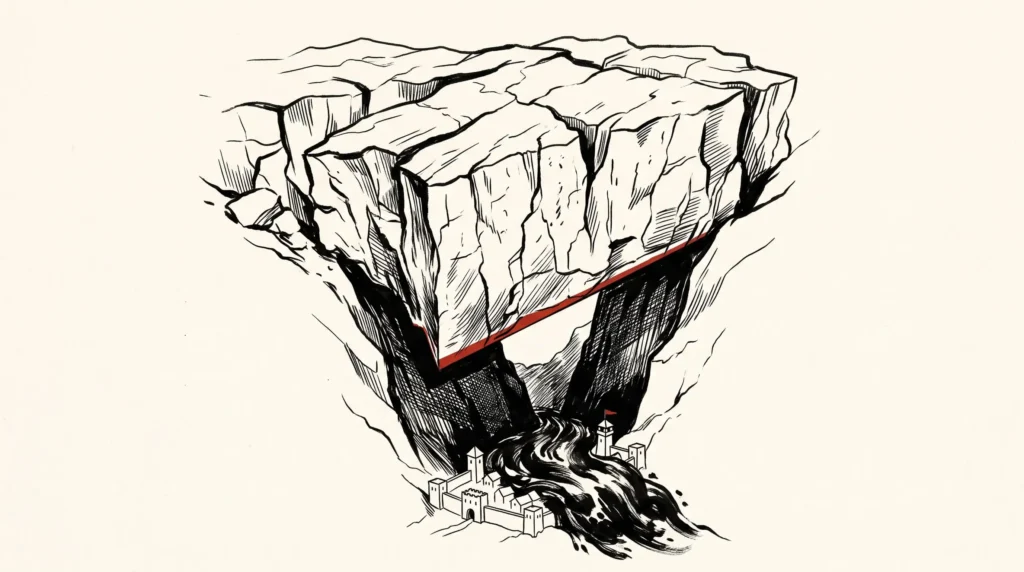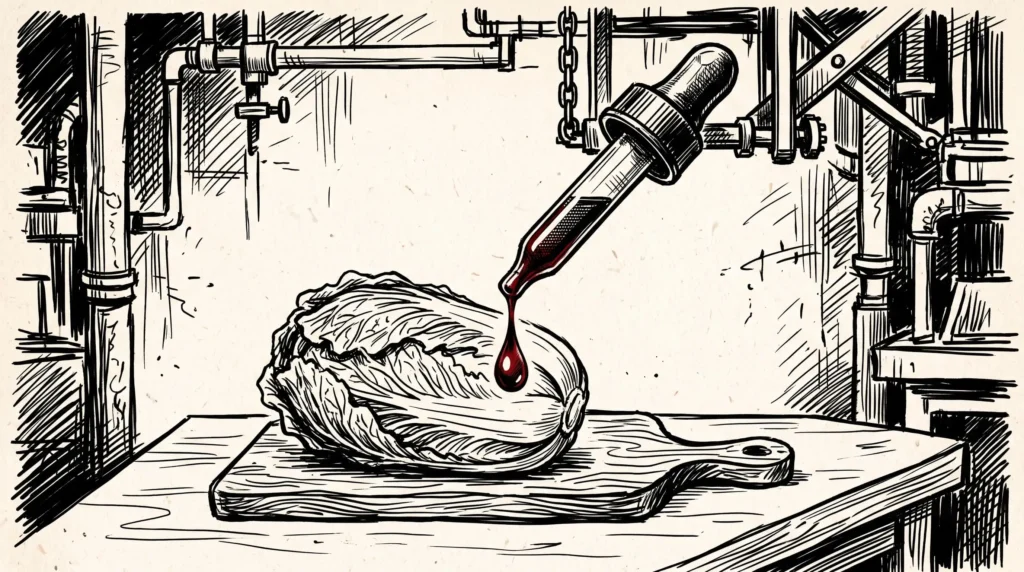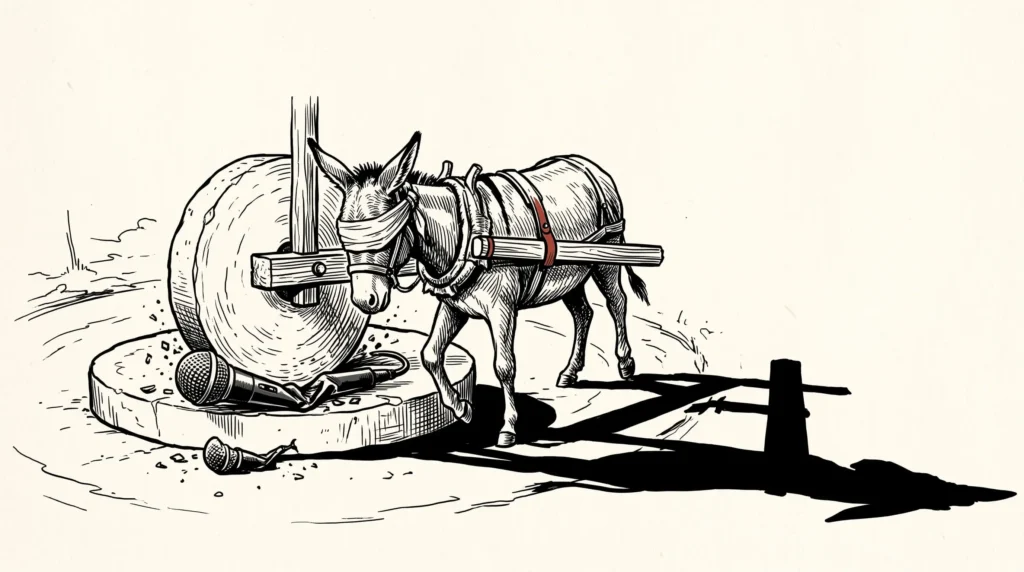
These are two old news items from last month, but they seem to be connected to the future.
A 60-year-old express delivery sorting worker died suddenly at his post at dawn, and because he “does not belong to the category of workers”, even if he was at his workstation at the time, it could not be recognized as a work-related injury. A 64-year-old man, in order to earn money to work at a construction site, forged an ID card to reduce his age, and was administratively punished for his forgery.
These two cases are both difficult to fault as they are handled according to regulations, but as you read them, you can’t help but feel a deep sense of sorrow. In a job market where being 35 years old is considered too old, many elderly people, whose age is nearly twice that number, are facing the concealment, low wages, and lack of security that come with having no choice.
And behind the current difficulties of elderly workers is the irresistible aging of the world’s population.
In other words, if we lack improvement and preparation, what awaits our generation of young people will only be a more difficult old age. After all, the gears of negative population growth have already started turning in 2022, and the source of dividends in the media’s mouth has also shifted from “population” to “silver hair”.
In a certain sense, the living costs of the elderly are paid by the young people of the same era.
For example, in France, from the 1960s when 4 young people paid social security to support 1 elderly person, to the upcoming one-to-one support relationship, it is no wonder that its pension deficit is expected to reach 70 billion euros per year by 2030.
But looking at the Japanese book “Bankruptcy in Old Age”, you will find that even with a pension, there are still countless elderly people who would rather “die sooner rather than later”.
The high cost of care brought about by the declining birth rate, and the threshold barriers for applying for relief, lead to an elderly life of only eating one meal a day and not daring to turn on the lights to save electricity.
Many young people hope for early retirement and a happy old age, but under Japan’s decent social security, the number of elderly people who still have to work to survive after retiring is 9.09 million.
The cruel social life stimulates people’s anti-natal sentiment, and after the transmission of labor force population data, it in turn leads to the cruel social life of people “never resting in old age” – the cunning elasticity of society makes us the price of ourselves.
With other countries as a reflection, I can’t imagine and am not willing to imagine the old age we will face at 65.
But in the face of the news that a 60-year-old is not considered a work-related injury and a 64-year-old forges his age just to work, this seems to be a problem that should be urgently addressed now, a problem that should be expressed loudly at the same time as the sentiment against childbearing.
In the mouths of some media, the term has been changed from “demographic dividend” to “silver hair dividend”, as easily as replacing old and new tools.
But people should not be tools, people should be the goal, the life of young people who do not give birth is the goal, and a dignified old age is also the goal. Behind the people digitized by the media, there is also an independent individual who naturally has his own pursuit of happiness.
The problems brought about by population aging are undoubtedly world-class and have a certain length of time, while respecting individual will, improving the working environment, and improving work security, making regulations more warm, can start from this moment. Or rather, paying attention to those 65-year-olds now is helping our own 65-year-olds.
The bell of age rings, we will all grow old, silver hair should not become a dividend, and labor can be more dignified.

Discover more from 自由档案馆
Subscribe to get the latest posts sent to your email.