
Well, this old brother wrote an article called “Decoding the Wandering Balloon: Balloons, Helium, and How Many Missiles Did the US Military’s F-22 Actually Fire to Shoot Down the Chinese Balloon” (hereinafter referred to as “Decoding the Wandering Balloon”), and then he was banned. Although the conclusion of this article is that he is basically talking nonsense, I will still do a fact check on several points of his article (the original text is presented with a black background) as a memorial. Some topics with too much sensitivity will not be discussed here.

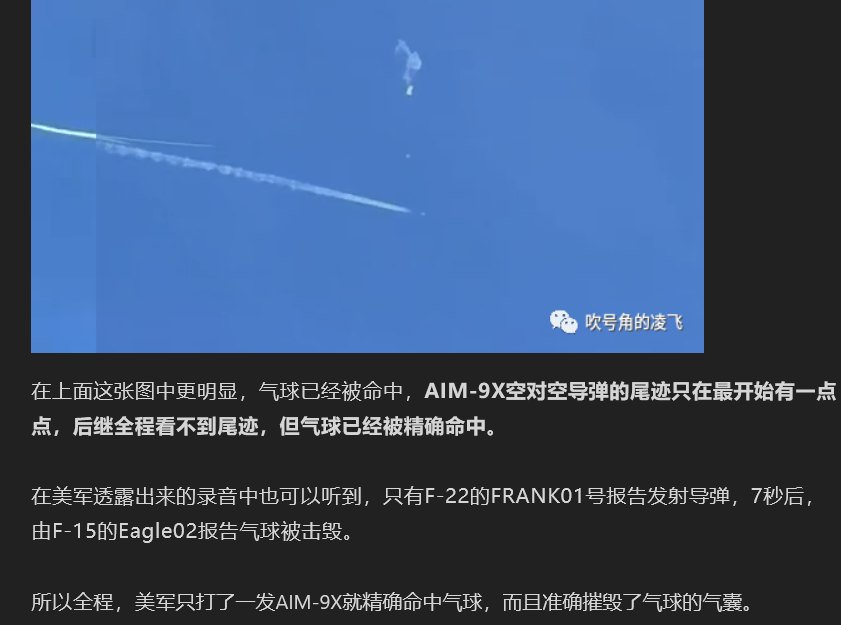
1. How many shots were fired? —— One shot to the soul
The author is not a military enthusiast, and his knowledge of military equipment is =0. In short, it is necessary to distinguish between the jet trial of the wingman and the trail of the missile. The latter is relatively inconspicuous when photographed on the ground. I didn’t want to discuss this topic, but I still took this opportunity to put a few relatively unbiased factual words from “Decoding the Wandering Balloon” here as a memorial to the demise of that account.
Mr. Hu, who is good at making comments, also attached his high opinion:
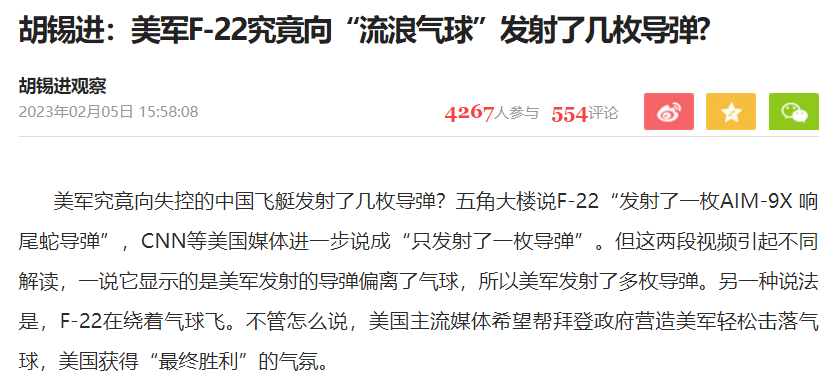
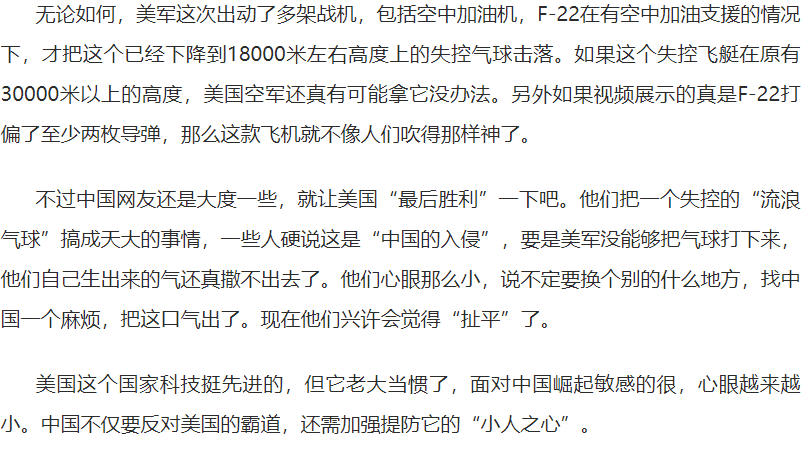
As for Fang is Min’s video, although the lines seem to be roughly the same, it’s very cool to kill with one blow
https://twitter.com/i/status/1623028975596613632
But it should be a simulation video produced by Growling Sidewinder (the audio used is adapted and simulated based on real recordings)
https://www.youtube.com/watch?v=YEJpP\_tI9rs
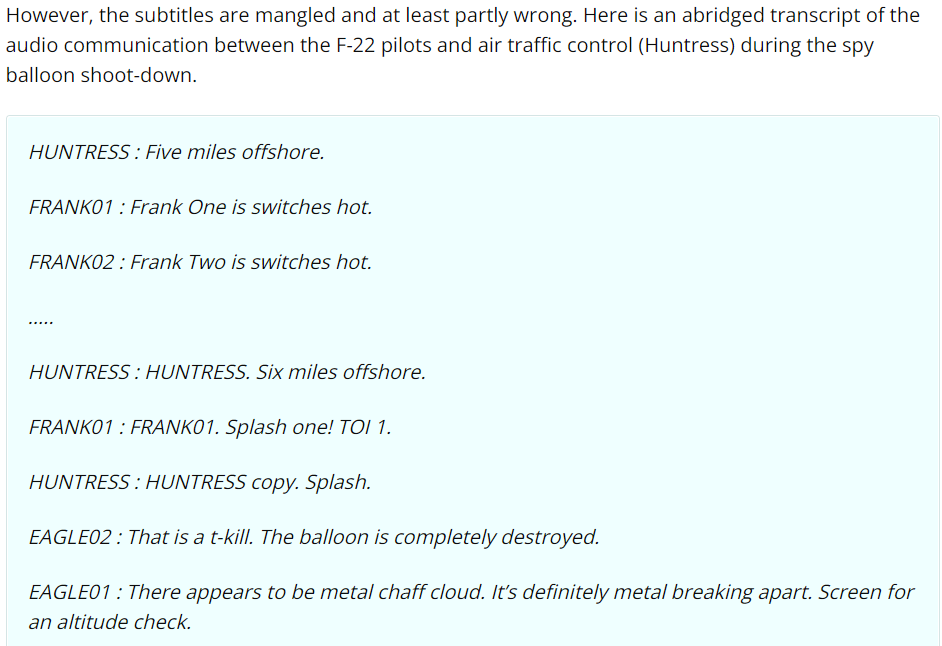
Address of Authentic audio (you will find that this is more intermittent and unclear)
It is enough to see that Growling’s production is very deceptive. Dr. Fang has not deleted it yet or has not realized it yet.
2. How much did the helium balloon cost? —— One million dollars? Two million RMB for gas
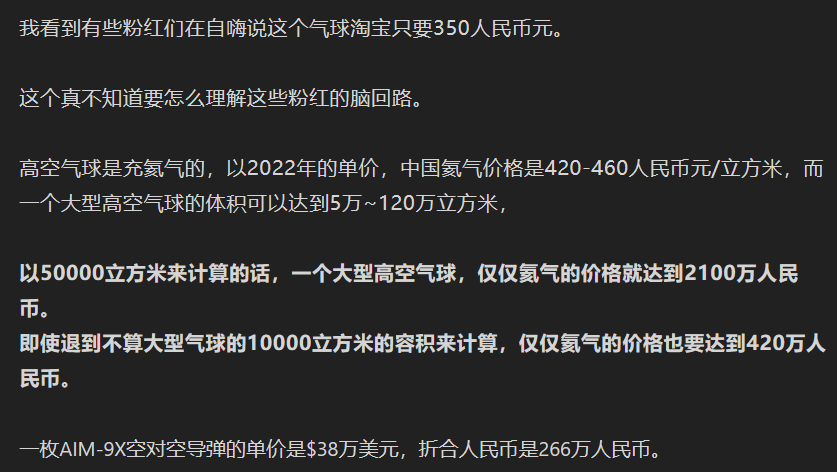
It is not easy for non-professionals to make a rash judgment on how much the helium balloon cost. According to the following winning bid report (also a stratospheric balloon, this is the price of the research and development bid, and the mass production may be lower?), hundreds of thousands of dollars, considering that the wandering balloon is really big, give it a face and a million dollars? … Maybe twice as expensive as the Sidewinder missile? (Uncertain~, it depends on what is loaded on it… Known to have solar panels and antennas
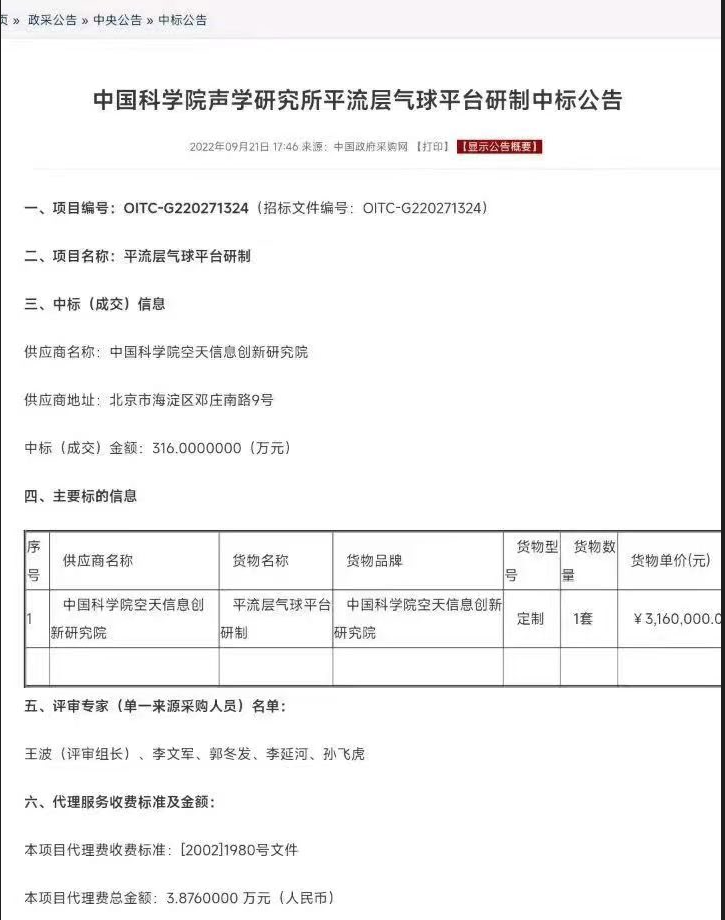
But the price of helium is probably less than 4.2 million (not to mention Fang is Min’s outrageous statement of 30 million is really a misunderstanding of the term “overpressure”).
Whether it is an overpressure balloon (pumpkin-shaped, can float for dozens of days) or a zero-pressure balloon (spherical, can float for a few days), it is not filled with so much (50000m3) helium on the ground.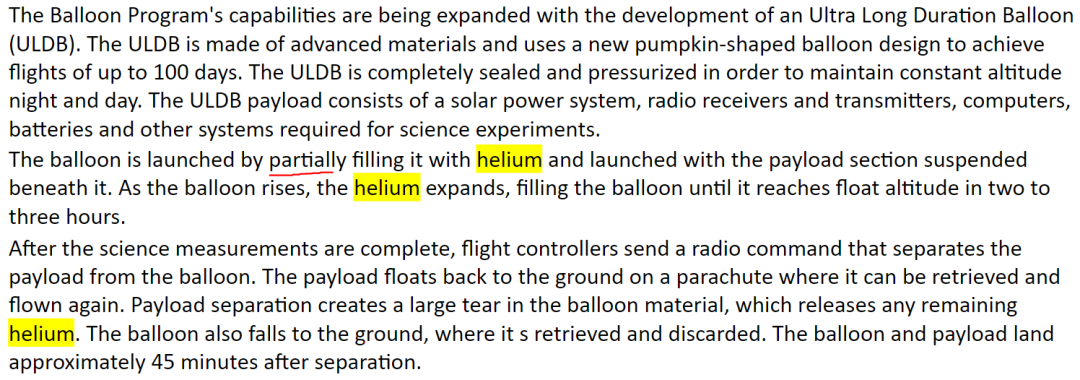
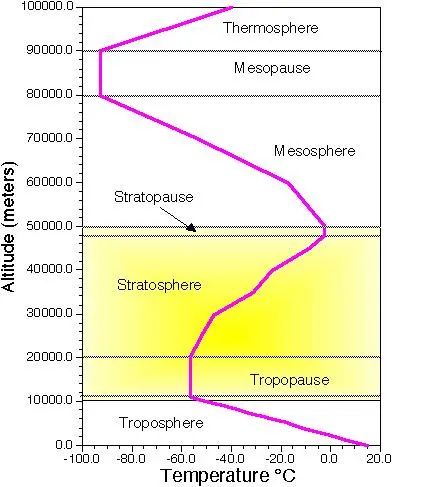
Even when the overpressure balloon takes off, it is also very bia.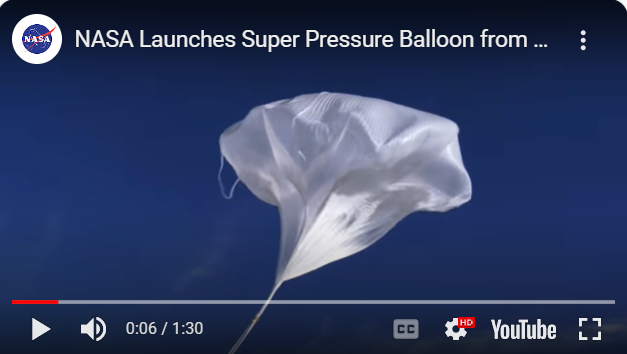 The balloon is likely to be an overpressure balloon (SPB). According to the altitude of the balloon when it was shot down, approximately h=18000m, which belongs to the lower stratosphere (or tropopause), the ambient temperature is relatively constant, about -55C. We assume that the technology of the wandering balloon is the same as the SPB used by NASA, which is a closed system. Since PV=nRT, PV/T is constant.
According to the pressure formula given by NASA (unit kPa)
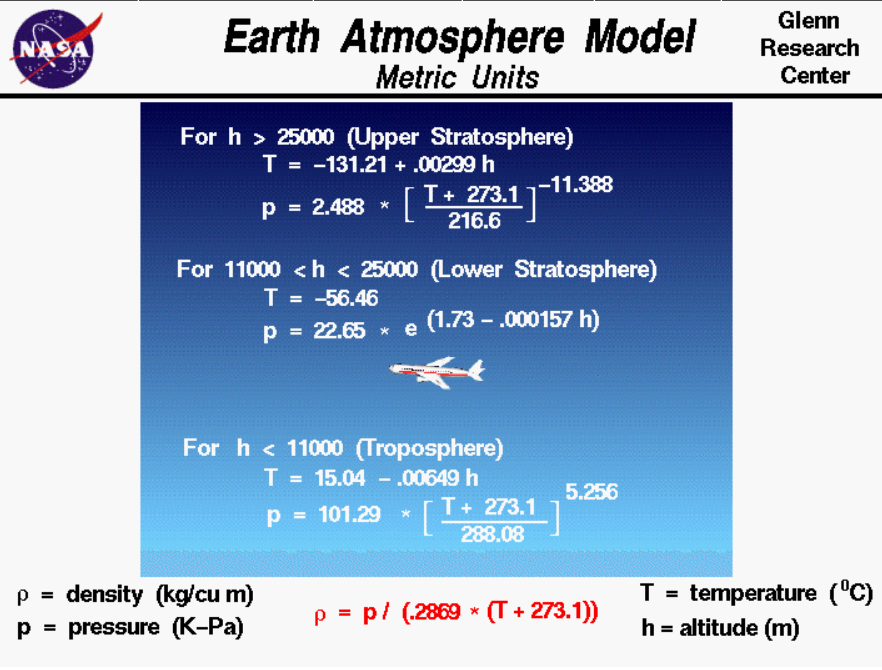
The ambient pressure here Pa=22.65*e^(1.73-0.000157h)=7.57kPa
The overpressure of the overpressure balloon is actually not large, less than 200Pa

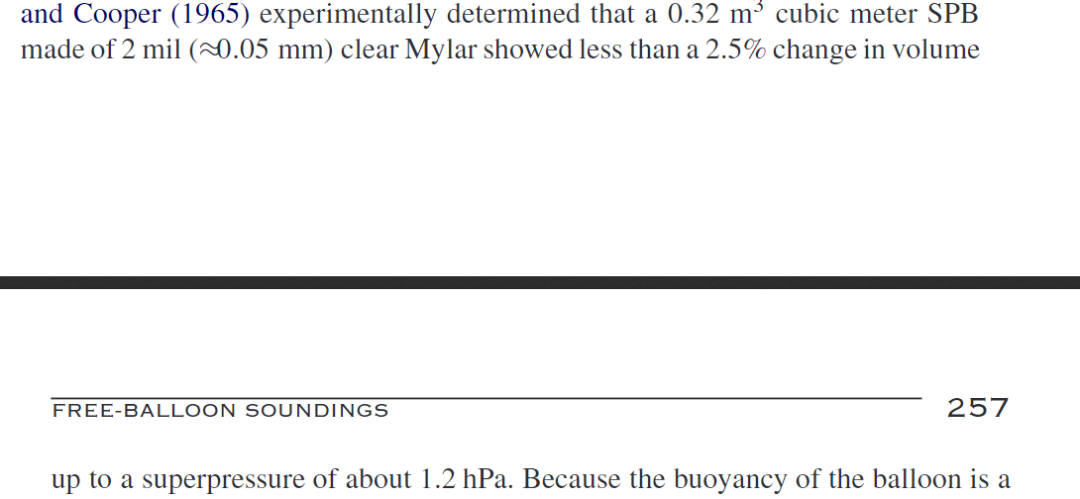
So the internal pressure of the balloon is P2=7.8kPa, which may change with temperature, but the order of magnitude should be about the same. Assuming the temperature is the same as the ambient temperature (V2=217K, the influence of sunshine heating is not huge)
First assume that the balloon floating at an altitude of 18000m is all helium, and the volume at that time is V2=50000m3, then the volume V1 of these helium at zero degrees Celsius (T1=273K, assuming this temperature in winter in a certain place in China, in fact, the temperature has little effect) and atmospheric pressure (P1=101.3kPa) is:
V1=V2*(T1P2)/(T2P1)=50000*0.097≈5000m3
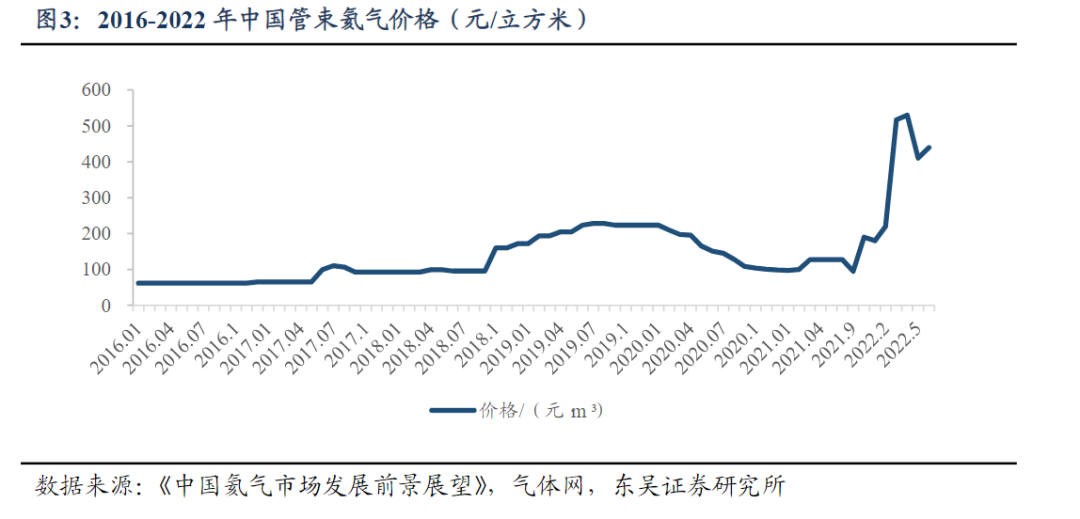
The price of nitrogen is calculated at ¥450/m3 (2500 yuan per 40L bottle, pressure 14mPa, converted to atmospheric pressure 0.1013mPa, then 2500 yuan per 5.53 cubic meters, that is, about 450, the following bundle is also similar)
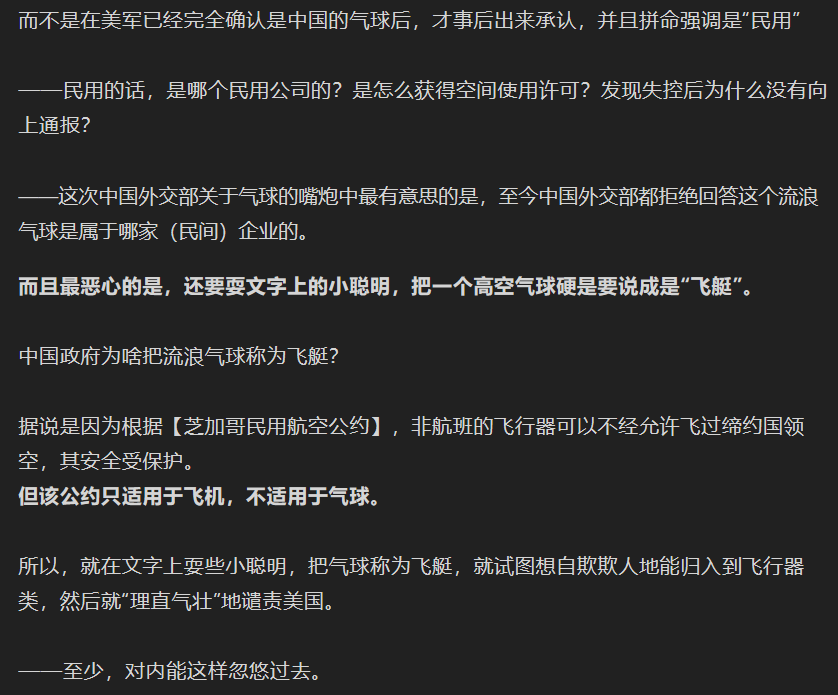
So the price of helium as of the middle of last year was about 5000*450=2.25 million yuan, and it has fallen a bit in 2023, so let’s count it as 2 million. Due to the lack of known information, there may be many problems here, and the author does not understand those physical formulas of SPB, and only applies the physics knowledge of high school elective three to make you laugh…
Those who are good at mathematics can confidently read this article, but I can’t understand it anyway https://www.sciencedirect.com/science/article/pii/B9780123852236000094
3. Why does the Chinese side call it an airship and the US side calls it a balloon? —— I don’t know, experts can send messages in the background
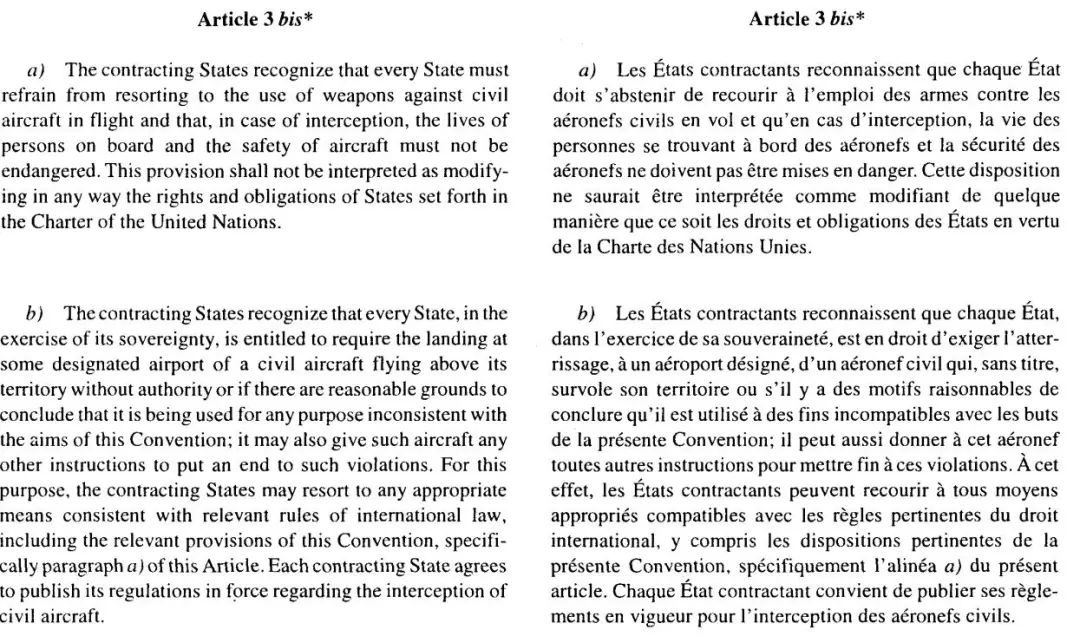
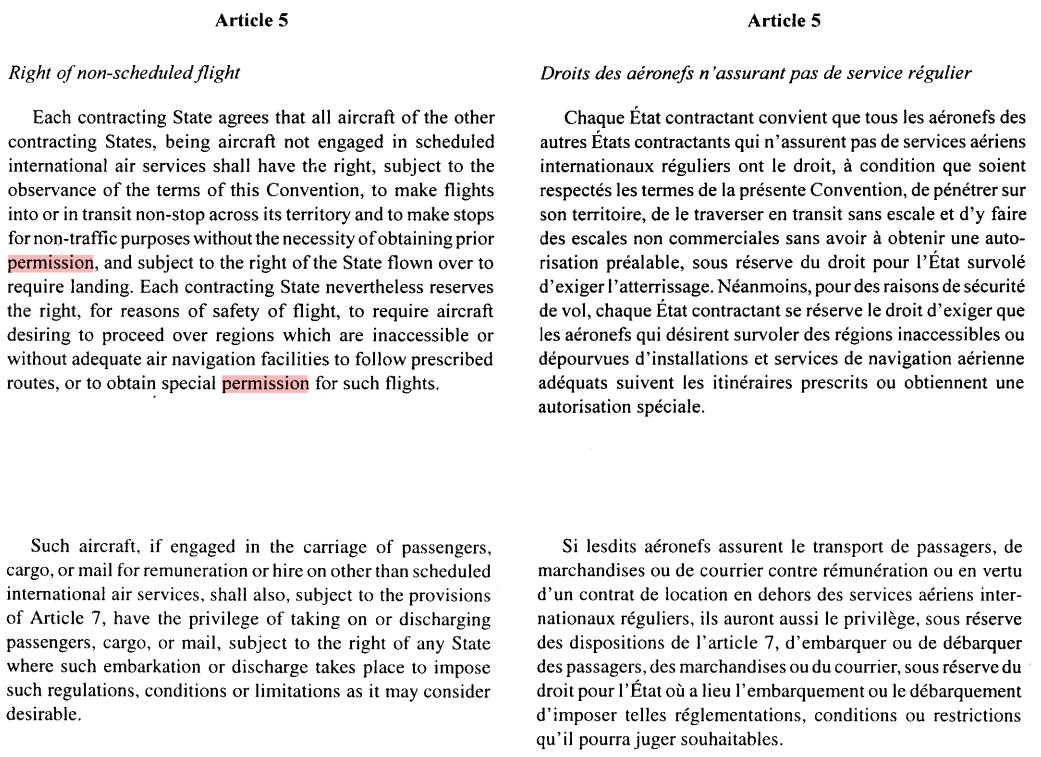
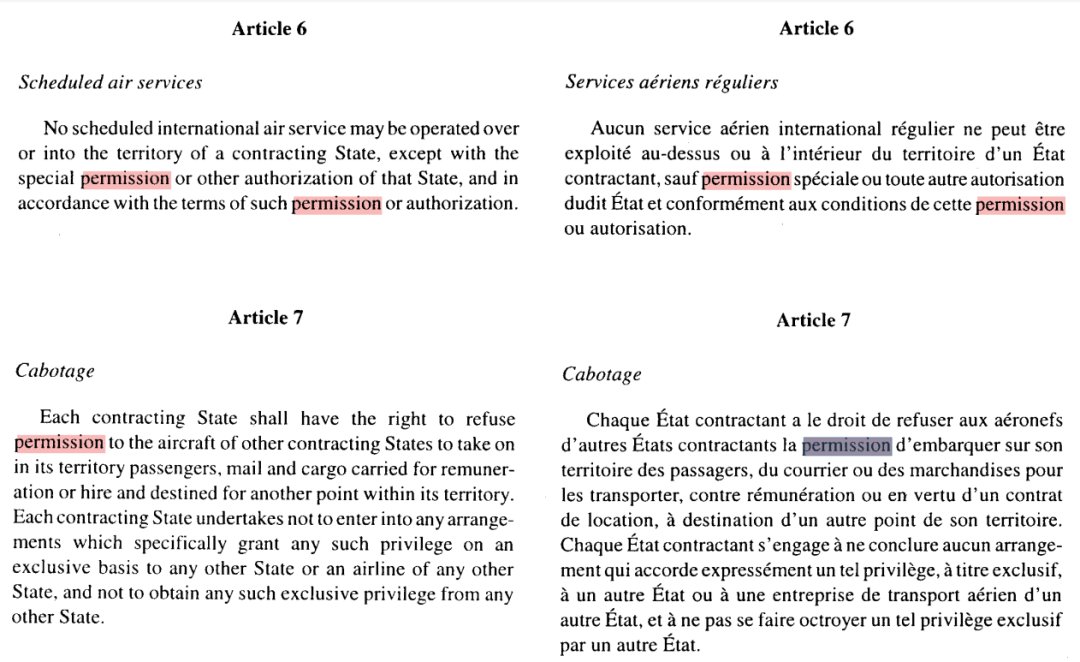
First of all, the conclusion: the author does not know why there is this difference in name, but the author knows that this accusation is obviously not valid. Regarding the Chicago Agreement, Article 8 is aimed at unmanned aerial vehicles such as balloons/airships, and it does not mean that the Chicago Agreement is not applicable, but the subtext of this clause is that for safety, it is best to control (eliminate) them. Even airships are unmanned airships…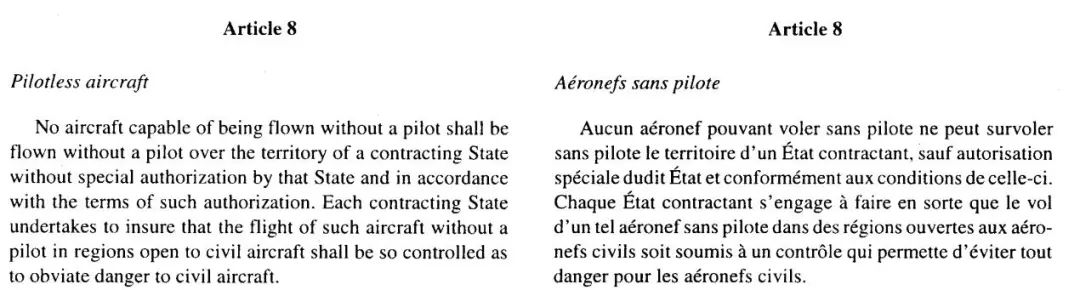
And even civil aircraft do not need to be allowed in advance to fly over the airspace of the contracting states for non-scheduled international flights, but the contracting states must restrain the use of force during interception, and the country also has the space to exercise sovereignty, such as forcing unauthorized civil aircraft to land at the country’s airport, such as domestic operating rights. See Article 3 bis and Articles 5~7
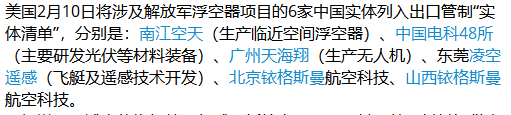
The problem now is whether this balloon is a state aircraft. For the United States, it seems to be true, at least it will treat it as a state aircraft: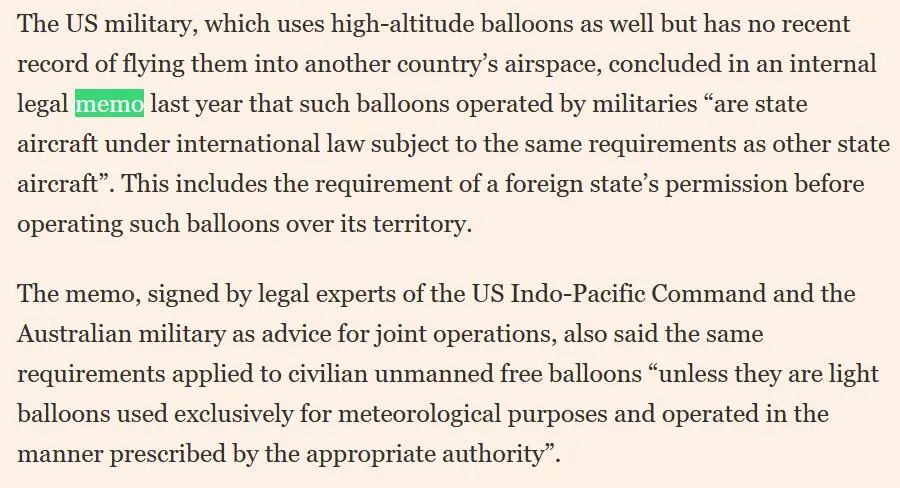
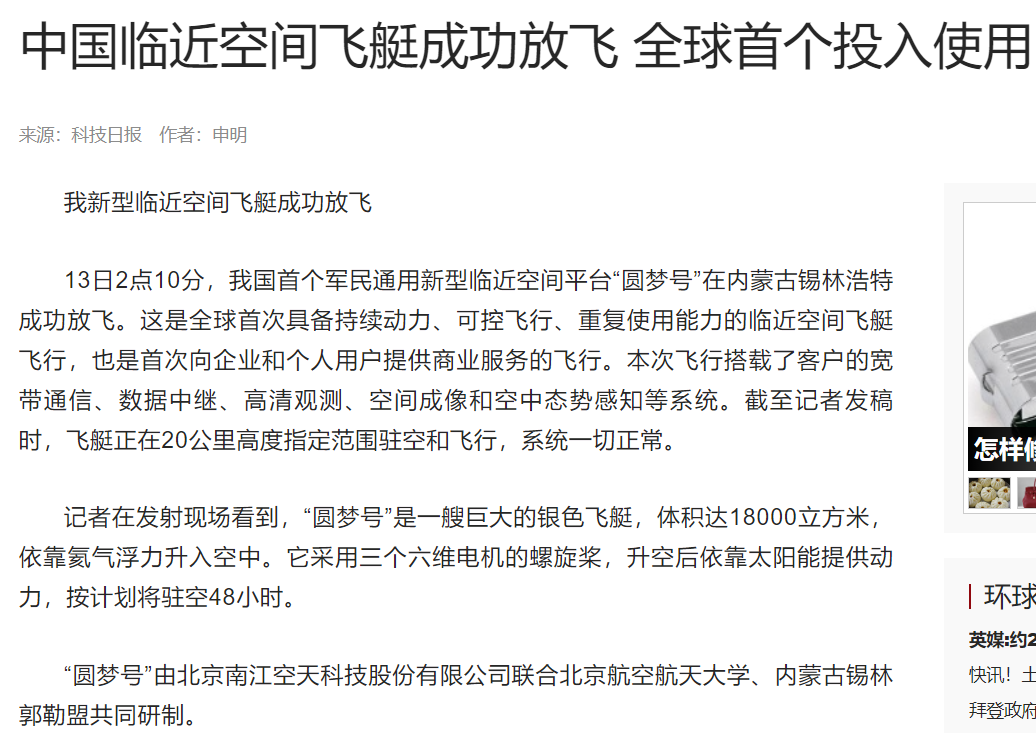
Well, according to the sanctions information
Discover more from 自由档案馆
Subscribe to get the latest posts sent to your email.

</p>
<p class=)