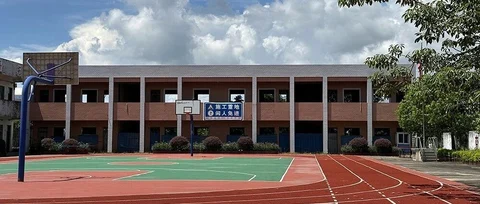


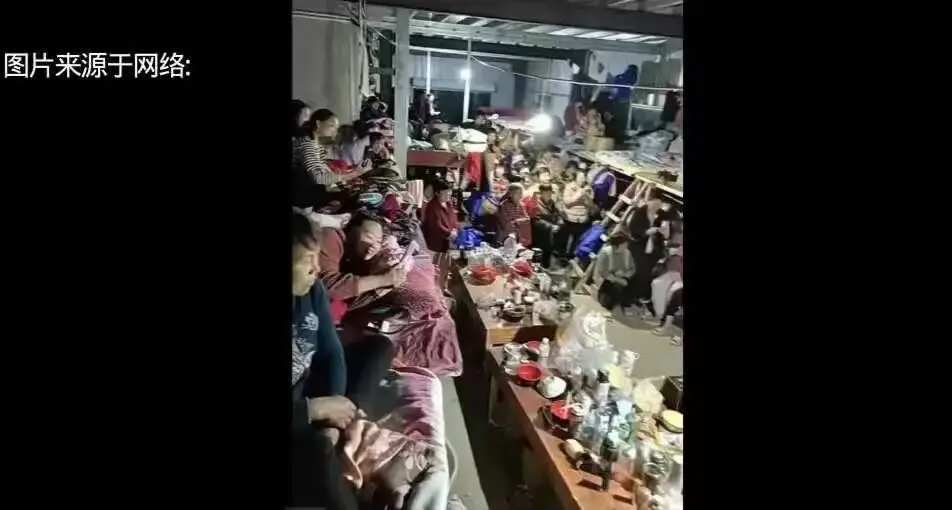
The picture shows the living environment of female tea pickers in the south as reported online.
Recently, female tea pickers have once again attracted attention due to their harsh working conditions. I noticed that many netizens have commented on this. I am from Pingdingshan, Henan. We don't grow tea there, and I haven't conducted any on-site research, nor have I ever been to the south of the Yangtze River. I know very little about the harvesting of crops in the south. Therefore, I will not comment. But I know quite well the significance of many agricultural jobs at 10 yuan/hour to rural people. Last May Day holiday, I followed the rural tobacco planting team to plant tobacco seedlings for the main family, and I also followed my mother to plant chili peppers for two days. Both were early mornings and late evenings, with a meal at noon, and they earned seventy or eighty yuan in eight or nine hours. To be honest, this is a considerable income in the countryside.
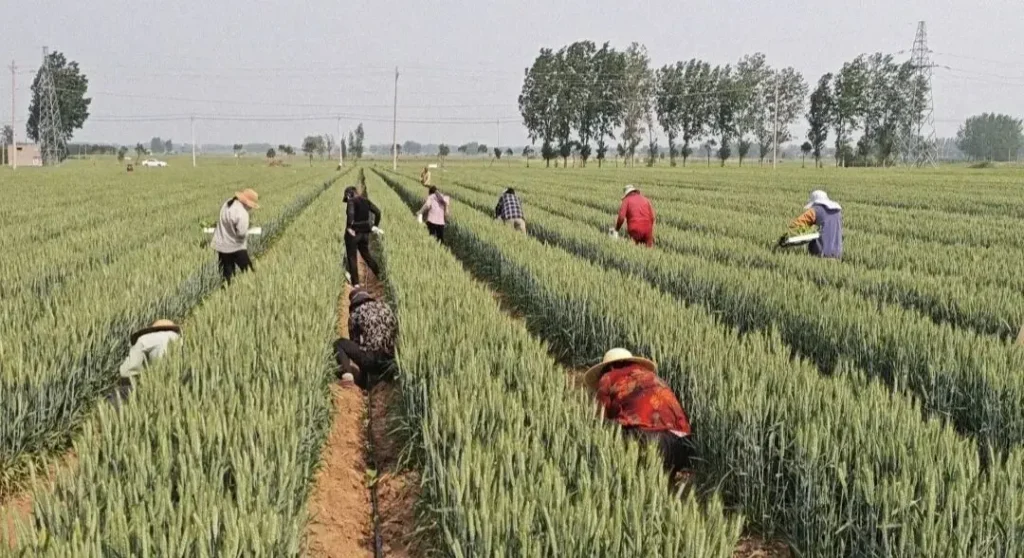
Saying that an income of eighty yuan a day is not bad is a relative comparison. The work that can be done in the first half of the year is still okay, such as planting chili peppers, tobacco seedlings, breaking tobacco stalks, and putting pear bags, etc. These jobs basically earn eighty or ninety yuan a day. After the autumn harvest in the second half of the year, there is not much work, basically only picking chili peppers and bundling celery. The price of picking chili peppers is the lowest, calculated by the catty, picking one catty is eight mao or one yuan. If the chili peppers are prostrate or not growing well, picking is time-consuming and labor-intensive, and picking one catty is one yuan. If the growth is good and dense, picking one catty is eight mao. Most of the people doing this work are elderly people in their sixties and seventies. They go to pick in the morning and come back in the evening. They can pick fifty or sixty catties in eight or nine hours, which is only forty or fifty yuan. If they are over eighty years old, they can only pick twenty or thirty catties a day, earning ten or twenty yuan. The main family provides a meal at noon, which is quite good in the countryside.
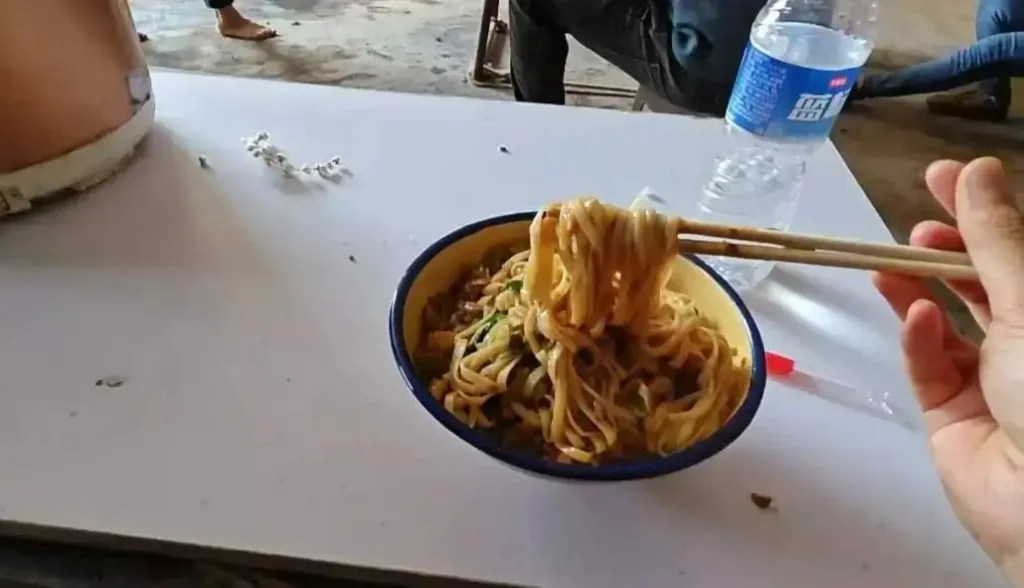
I have also eaten the meals provided by the main family, usually noodles with minced meat sauce, meat sauce or egg sauce. The white water noodles and yellow water in the videos related to female tea pickers are indeed too bad. We don't do this here—although we don't make much money, the main family doesn't need to be so stingy.
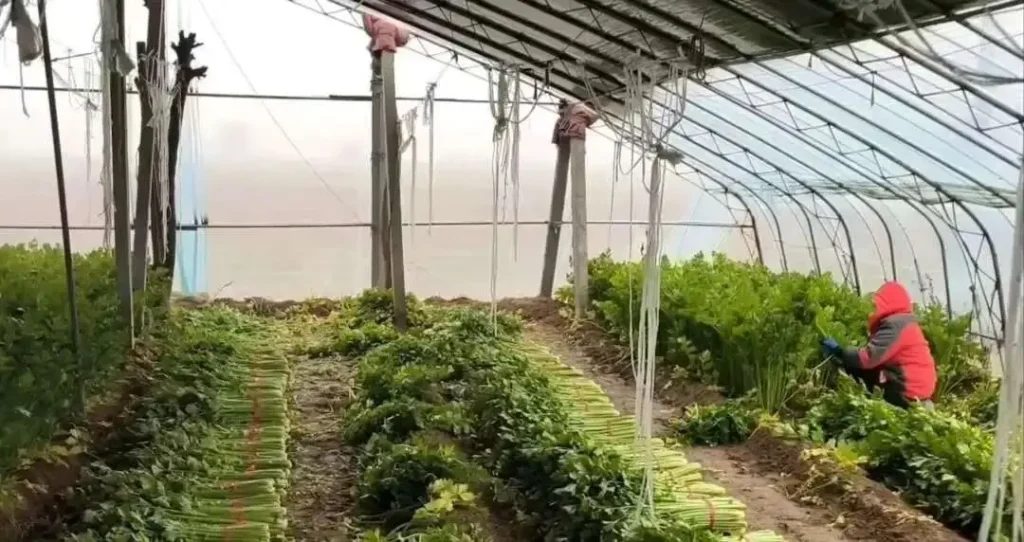
The picture shows the farmers working in the celery greenhouse before the Chinese New Year.
Bundling celery is even more difficult. It often happens in January and February, close to the Chinese New Year. The sales of celery surge, and the main family's more than ten acres of greenhouse celery cannot be bundled in time, so they recruit nearby farmers to help. It's also seventy or eighty yuan a day. Because it's close to the Chinese New Year, perhaps some farmers who are working outside return home early because they have no work, or some farmers want to earn a little more money to celebrate the New Year. Even if it's seventy or eighty yuan, they are all scrambling to do it. The performance of scrambling to do it is to go through relationships—you can only be used by the main family who grows greenhouse celery if you know them. In the countryside, there is no shortage of labor.
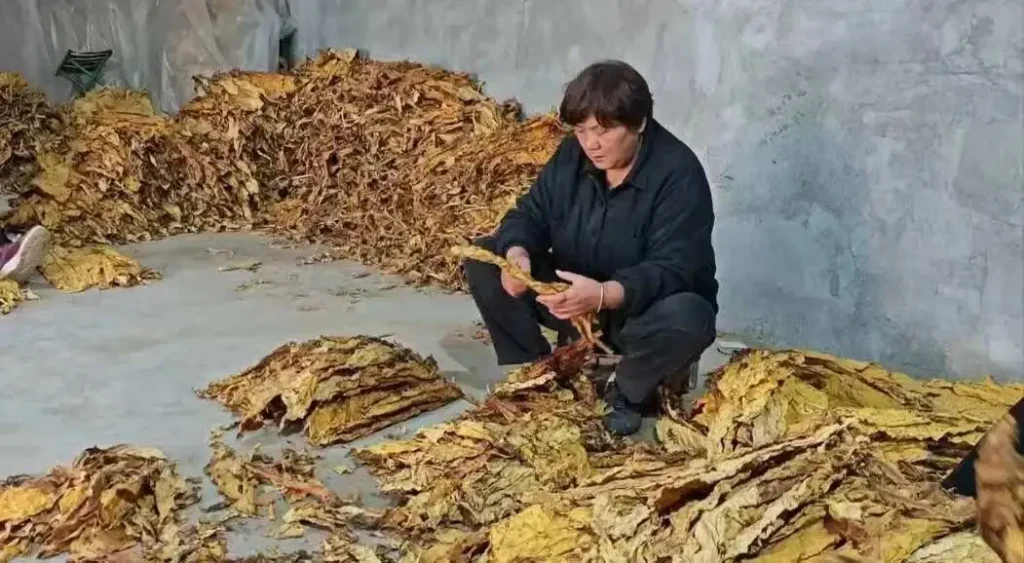
In November 2025, my aunt (earning seventy yuan a day) was picking tobacco leaves.
Last November, I wrote an article recording my aunt's day. My aunt is sixty-one years old, and she is a member of the tobacco seedling planting/pear bag setting/tobacco leaf beating team. She is considered young in the agricultural team. Even so, she dyed her hair specifically, fearing that the main family would not use her. When she was picking tobacco leaves last year, she got up at 5:30 in the morning, cooked a few eggs herself, ate them with raw garlic cloves, and went to work. From 7 am to 6 pm, the main family provided a meal at noon, and she earned seventy yuan a day. Seventy yuan is of course not much in our opinion, but it is very pleasing to my aunt—she can work for twenty consecutive days, earning over two thousand yuan, which is enough for her to buy a lot of things before the New Year.
When I write rural documentary articles such as "Planting Tobacco Seedlings" or "My Aunt", the emphasis is on the narration of life or the tenacious spirit of the farmers themselves. I don't focus on describing the income and the specific details of working, on the one hand, because the risk of the article/video being taken down is relatively high. More importantly, because in the eyes of the person involved, it is rare to find such a livelihood. In the grand narrative, these very few hourly and daily wages, these jobs that are "scrambled to do", of course, seem insignificant. I choose to record them, not to render suffering or to advocate tenacity—because in the eyes of my aunt and countless fellow villagers, this is life itself.
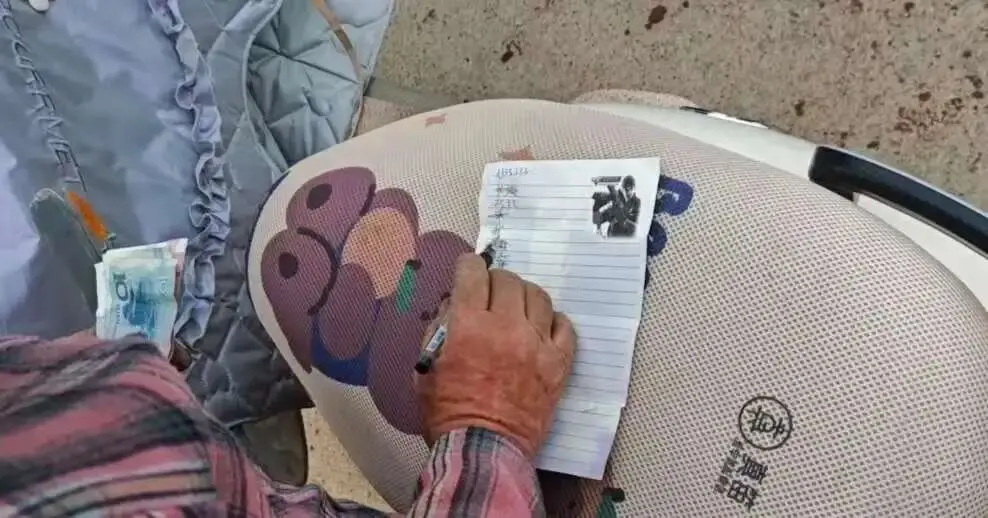
The picture shows the "captain" of the tobacco planting team, calculating the daily wages of the team members.
Life itself, life itself. These four words seem quite understated and calm, but in a horizontal comparison, they appear so sharp and glaring. I am a farmer's child, and after they have fully supported me, I have seen the outside world. Of course, I want to record the plainness and preciousness of rural labor life, but in many times outside, I have seen the differences in urban and rural development, and I have seen the differences in the level of basic pension. Looking back, I saw my father selling flower pots and living in a car, eating instant noodles himself, and I saw my mother, who was in her fifties, hospitalized due to overwork. How can my heart not be stirred, and how can I remain indifferent?
Ten yuan an hour is very little. Even in the countryside, the same RMB is used as in the city, and the prices are the same. It's just that the old farmers are more frugal, so they think that seventy or eighty a day is already quite good. Of course, the main families who hire people are also small businesses. A few acres of chili peppers, a few greenhouses of celery, and they don't make much money in the end. If they encounter bad weather, they may also lose money. It's all difficult, and there's no way. My mother once carefully calculated an account for me. She said to me, you must not have too much pressure. Your father and I are both rural people, and we are easy to support. We are still in good health and can work for a few more years. Even if we are not in good health in the future, five hundred yuan a month is enough for your father and me to spend. My mother's meaning in saying this is to let me focus on myself and not worry about their old-age problems.
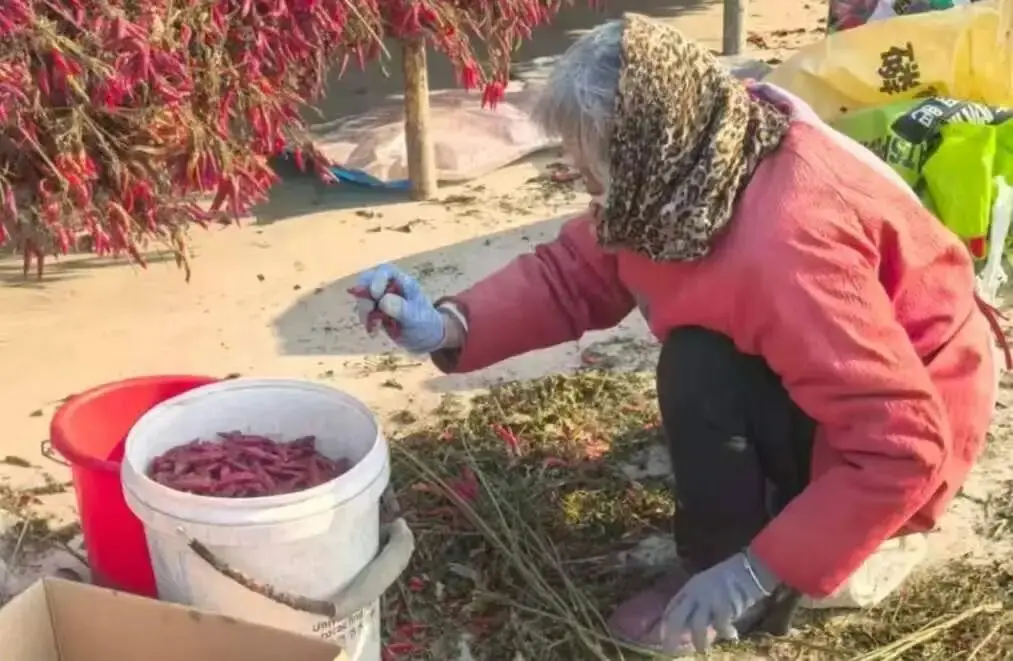
The picture shows the elderly farmers picking chili peppers, earning about thirty or forty yuan a day.
I can understand that my mother's words "rural people are easy to support" represent her attitude towards her own identity. To put it nicely, it is to lower her status and rely on herself. To put it bluntly, it is that life is cheap. Many years ago, the compensation for a rural person killed in a car accident was less than that for a city person. After May 1, 2022, the Supreme People's Court issued regulations to unify the standards for personal injury compensation in urban and rural areas. Before that, the death compensation and the living expenses of the dependents were calculated separately according to "the per capita disposable income of urban residents or the per capita net income of rural residents"—if you earn less, you are naturally worth less.
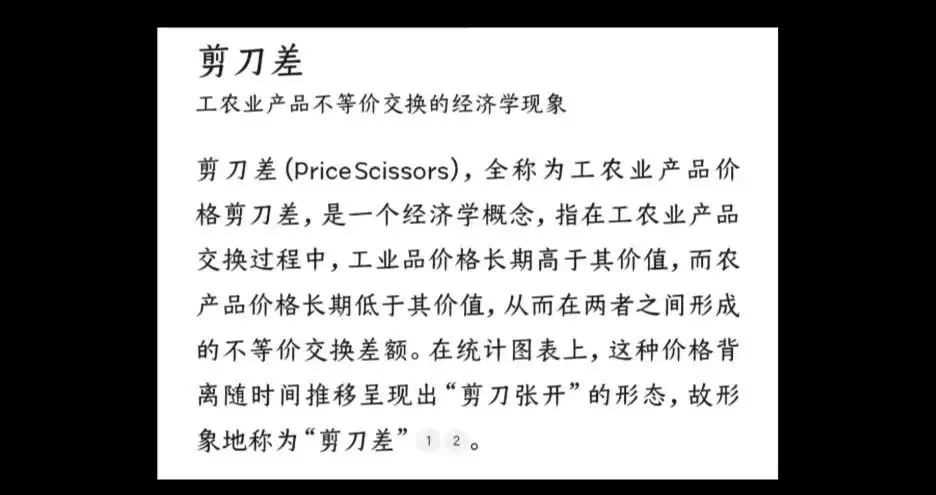
Writing the above paragraph is both from my understanding of the countryside and my hometown, and from the inquiry of public information. No matter which way the facts are obtained, they are shocking and amazing. If you go to learn more about agricultural history, you will know the "scissors gap" during the period of unified purchase and marketing. Through the price difference between industrial and agricultural products, farmers provided huge accumulation for the country's industrialization. You will know that before 2006, the public grain paid was required to take out the best part of the grain to be handed over. When handing over, they were afraid that the public would not accept it. If the harvest was poor, they also needed to buy other people's good grain to hand over.
You will know the "three raises and five unifications" after the reform and opening up, and you will understand "volunteering" and "education fundraising". "Three raises" refers to the public accumulation used for village collective production and water conservancy construction, the public welfare fund used for supporting poor households, and the remuneration and office expenses management fees for village cadres. "Five unifications" refers to the village and township level schools, family planning, the preferential treatment of martyrs and military families, militia training, and rural road construction. The expenses required for the "three raises" and "five unifications" are directly apportioned and collected from the farmers. "Volunteering" means that afforestation projects, water conservancy infrastructure, and public road construction are all exchanged for the unpaid labor of farmers during the slack season. These only withdrew from the historical stage until the abolition of agricultural tax in 2006.
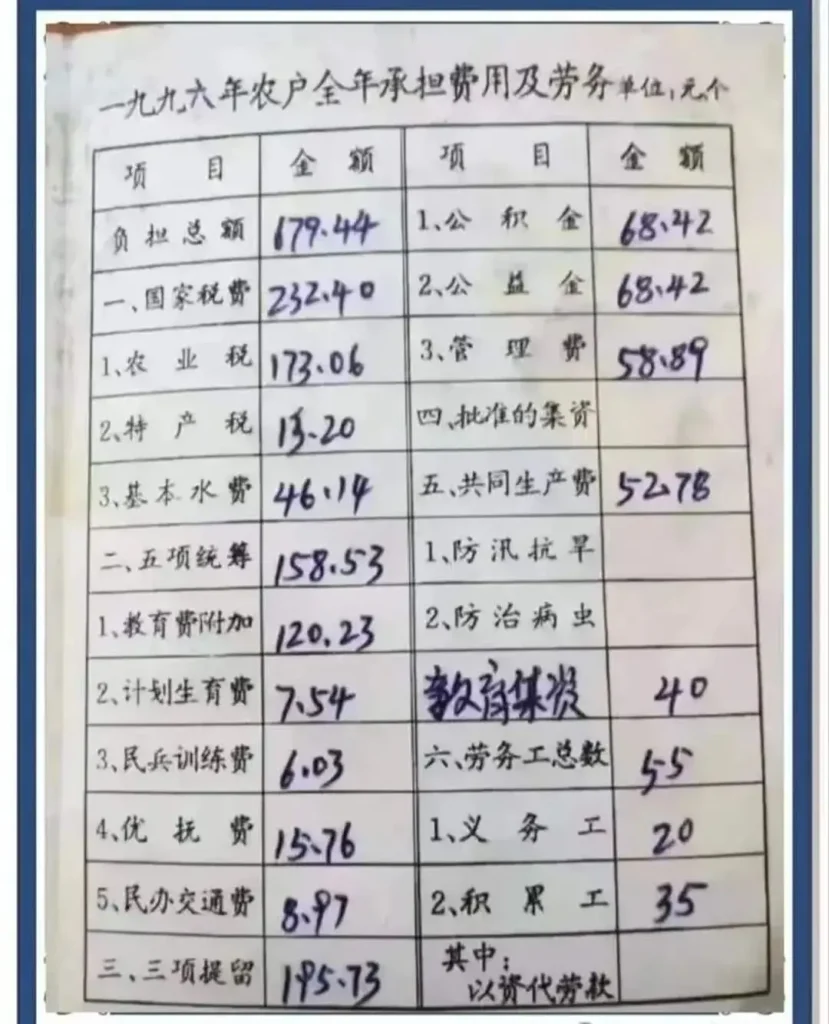
My father, my mother, my aunt, and the elderly rural people in their seventies and eighties who are working, they have undoubtedly experienced the above-mentioned stages of agricultural development. They had too heavy burdens in their youth, and they needed to work excessively to ensure their survival and the social construction of the country. When they are old, they say that this is fate, and they say that they are "easy to support". The three words "easy to support" are reflected in the agricultural work of 10 yuan/hour. If they can't work in the fields themselves, they simply plant some vegetables and feed some chickens and ducks, and five hundred yuan a month is enough. If they can do some agricultural work for seventy or eighty yuan a day, they not only don't have to cook lunch, but they can also earn five hundred yuan themselves. Do they ask their children? After all, they can't open their mouths, and it's difficult for their children to earn money; do they ask the state? This point will be a long time in the future.
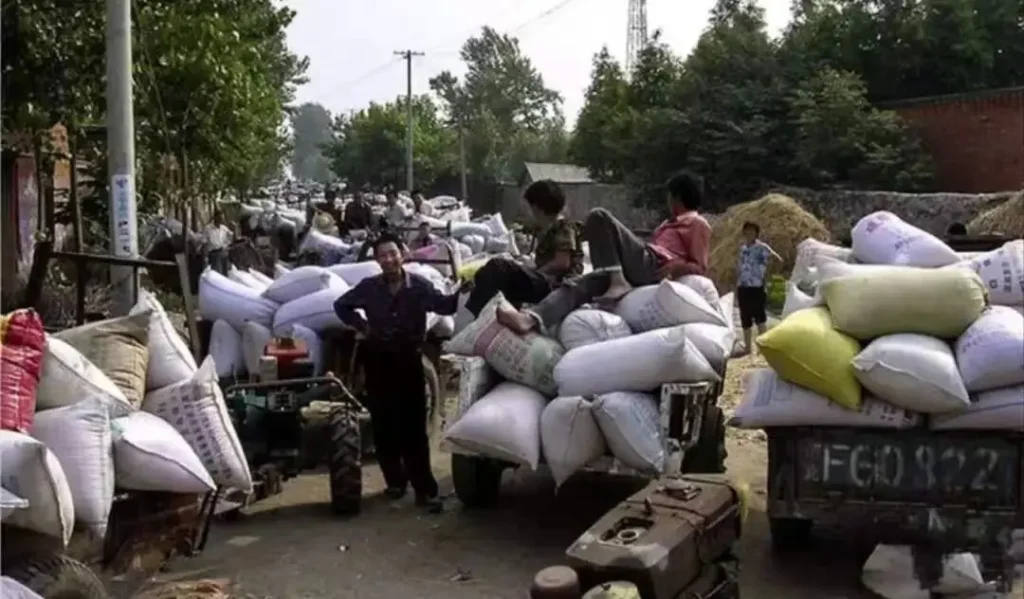
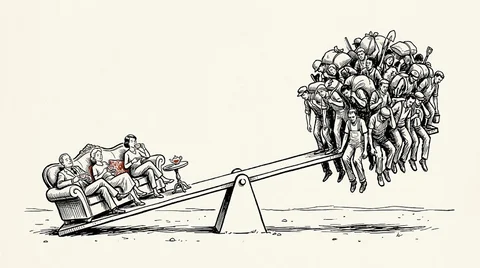
Going around in circles, we still have to return to the topic of calling for the improvement of the basic pension for farmers. The historical contribution of farmers can no longer be quantitatively compensated, but at least, the current distribution system should be corrected. Can the "scissors gap" that was taken away in the past be given more "reverse scissors gap" in pensions, medical insurance, and public services as a belated feedback today? We are now a moderately prosperous society, and a large amount of social wealth has been created. Those farmers who laid the foundation for this and are now old, they are qualified and should share more development achievements, and they cannot only rely on the filial piety of their children or their own tenacity of "easy to support". We talk about female tea pickers, we talk about agricultural work at 10 yuan/hour, we talk about the countryside itself, in fact, in the final analysis, we are still talking about money. But the labor value behind this money is difficult to measure.
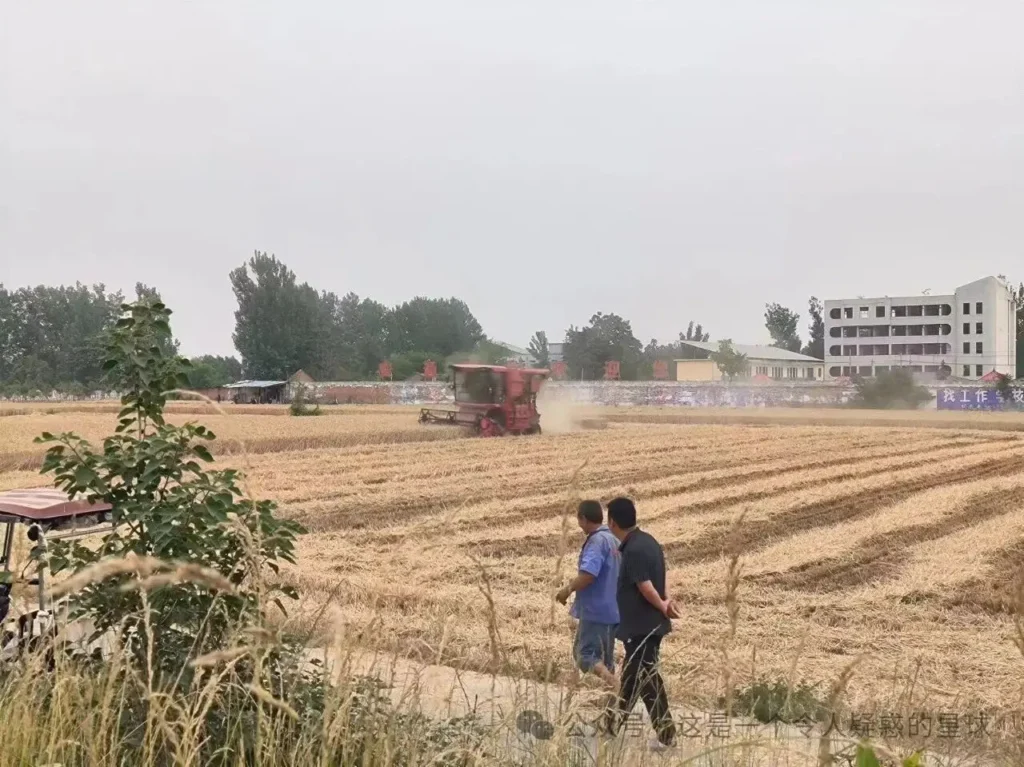
Friend, have you harvested wheat? In the afternoon of early June, when the wheat dust is filled, you watch the wheat pouring out of the harvester, watch your father and uncles frowning and discussing the situation of the wheat grains, and then watch the more than a thousand catties of wheat per mu being pulled to the grain station, and then watch the one thousand two hundred yuan earned from the eight months of planting. You will have a new understanding of the source of farmers' money—even at 10 yuan/hour, 70 yuan/day, it is more cost-effective than planting wheat. You have been to big cities, you know too well the value of one thousand two hundred yuan, you know too well what these money is exchanged for, and what it can be exchanged for. Because you know these too well, this is also the significance of your continuous recording and calling.
In the rural areas of Henan, and not only in the rural areas of Henan, the work of 10 yuan/hour, this number that seems unbelievable under the framework of the Labor Law, in the specific rural society and the seasonal part-time job market, it is indeed a "welfare", and even a valuable cash income opportunity that needs to "go through relationships" to obtain. Is this exploitation? No, I'm afraid it is.
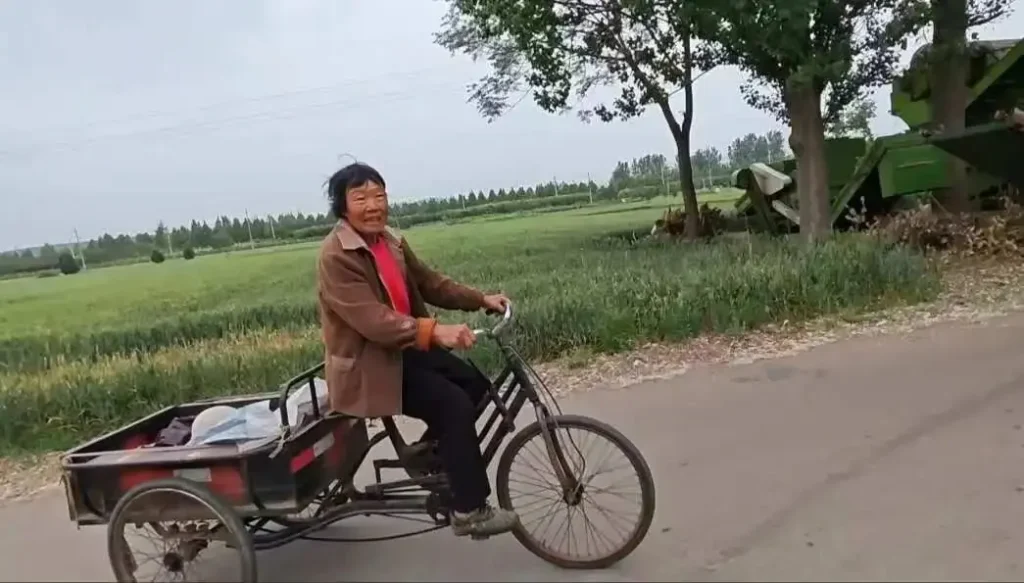
We say that it is not exploitation, on the one hand, because the main families who hire people are small businesses, and they have not made a lot of profits, and even their income is uncertain due to periodic factors such as agricultural seasons and climate; on the other hand, for the elderly labor force who are eager for cash, this is indeed a rare job opportunity. We say that it is exploitation because this kind of exploitation is not sharply opposed, it is invisible but real, it does not have a clear subject of oppression, but it is everywhere. The older labor structure in the countryside, the imperfection of the social security system, and the lowering and acceptance of their own identity value by my mother and my aunt are all manifestations of this exploitation.
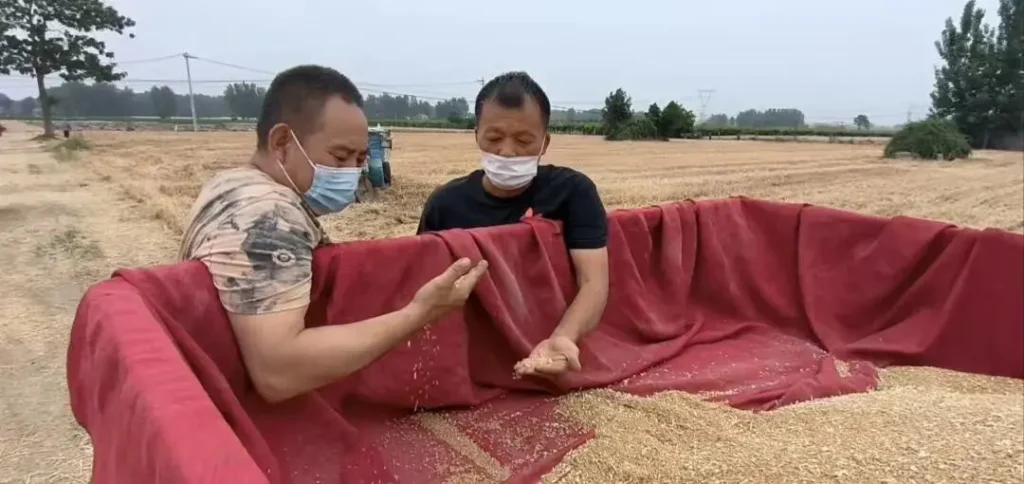
The picture shows my father and uncles observing the wheat grains after the wheat harvest.
Because it is invisible, the efforts of some of our records and thoughts are to make it visible, more concrete, and then to be seen by more people. Wang Xiaobo wrote in "The Silent Majority" that the so-called vulnerable groups are those who have not said some words. Because these words have not been said, so many people think they do not exist or are very far away. I want to say about the same.