Sanxi Yuncheng sanitation workers wearing positioning work cards were working in the snow. When asked why they didn’t rest, the workers said directly, “If we don’t move, we will be fined.”
The Urban Management Bureau immediately clarified that the locator has both SOS call for help and intelligent scheduling functions, and there is no saying of “stillness means penalty.” That means that what is tied to the sanitation workers is a “safety artifact.”
However, when the bureau previously explained to the media, it had mentioned words such as “trajectory time limit” and “rest cannot exceed the time limit.”
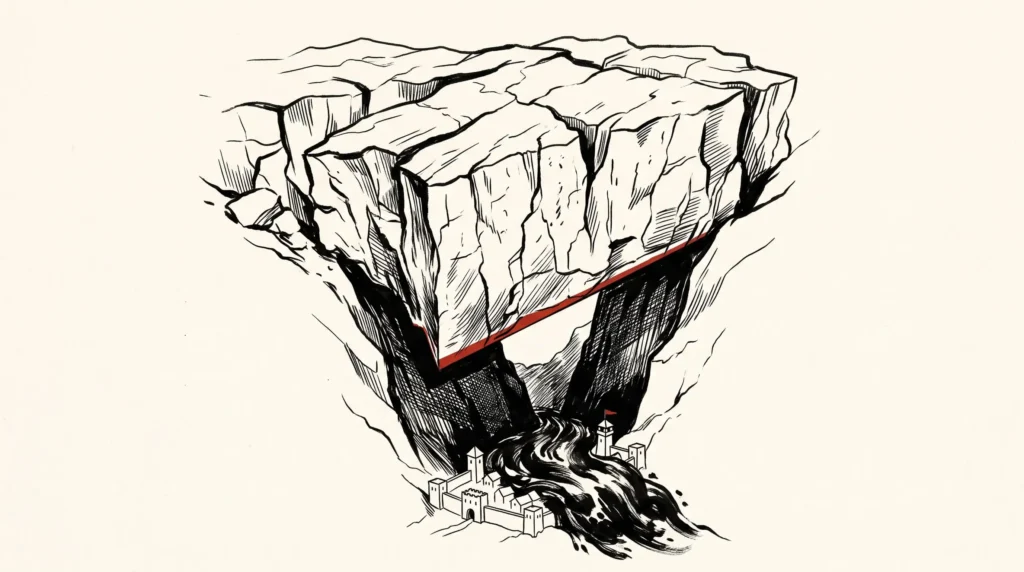
This contradiction is a typical example of “for your own good” management – superficially packaged with warmth in the name of safety, but internally, in the name of data monitoring, the workers are nailed to a cold chain of rules.
Clearly making things difficult for the vulnerable groups at the bottom, but having to say “for your own good,” this manipulative rhetorical packaging is not uncommon in today’s society. The fact that Yuncheng’s matter has topped the hot search list shows the depth of public empathy and compassion.
Yuncheng officials said that the locator is “to ensure safety,” but it has not been equipped with extreme weather operation standards, cold protection equipment subsidies, or flexible working hour systems. “Management inertia” has been beautified as “technology empowerment.”
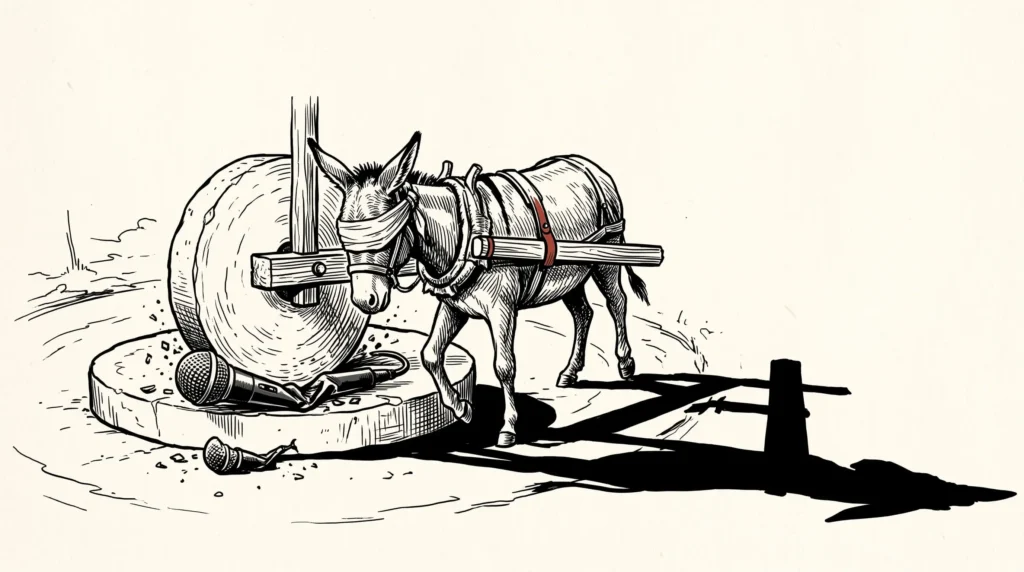
In cases like this, takeaway riders are urged by algorithms, factory workers have their performance deducted due to low hand-raising frequency, and online car-hailing drivers are demoted due to slow order acceptance – the alienated practice of technical discipline is spreading from logistics and manufacturing to the field of public services, forming a systemic network of oppression.
The common point of these cases is: technology or rules become control tools, while human dignity and actual needs are marginalized.
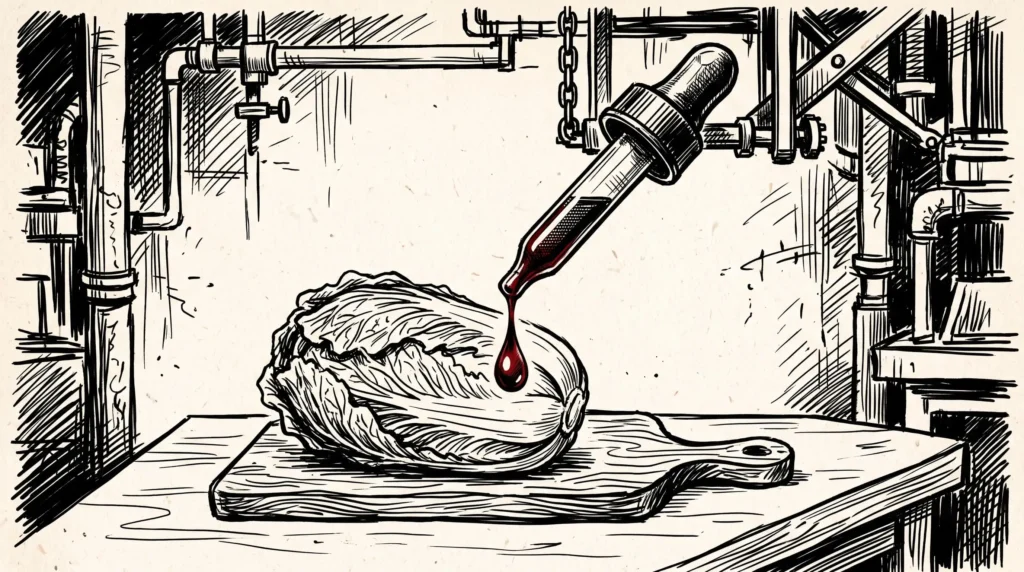
Technical monitoring should have been a tool to improve governance efficiency, but it is increasingly simplified into a one-dimensional means of punishment. The core purpose is not service, but the control of “staring at you.”
This is a manifestation of paternalistic governance. Managers, in the name of “for your own good,” deprive the managed of their subjectivity and right to negotiation.
Control-oriented monitoring obscures the key contradiction – it is not that workers are not working hard, but that the management mechanism has failed to provide a safe working environment and reasonable labor boundaries.
In some industries, the basic physiological needs of workers, such as rest, breathing, and even going to the toilet, are mechanically classified as “non-productive behavior” by the system.
This alienated phenomenon of simplifying human dignity into data indicators not only dissolves the value of labor, but also shifts the responsibility of supervision to algorithms, giving rise to a new type of “digital bureaucracy.”
Managers use data as a shield to avoid responsibility, replace human judgment with system logic, and ultimately alienate the technical tools that should serve people into invisible shackles that oppress workers.
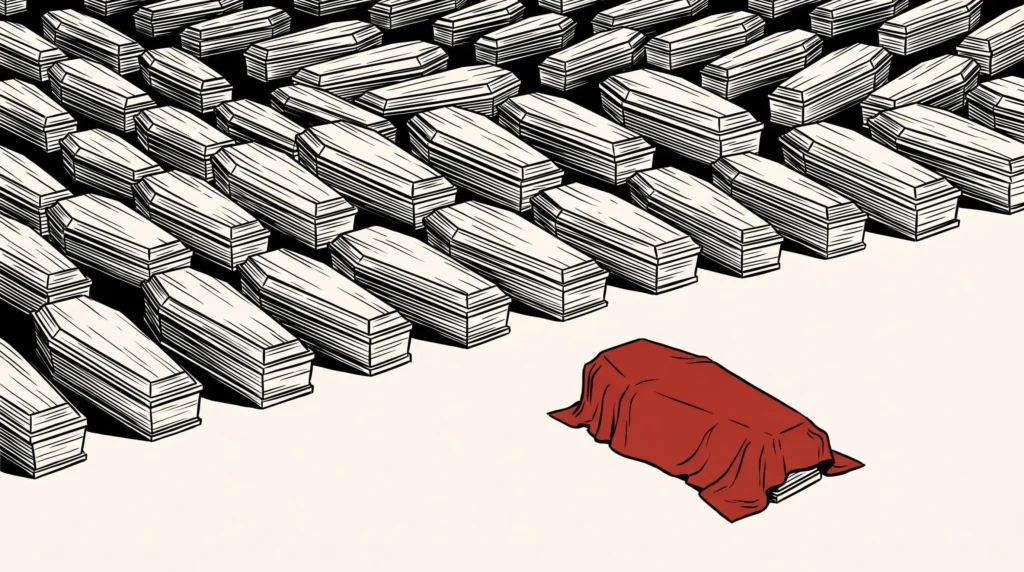
This model of controlling in the name of “safety” and “efficiency” and shifting management responsibility under the guise of technological neutrality is far more oppressive than traditional means of exploitation, and can be called the “Zhou Papi” of the digital age.
Just like the sanitation workers being forced to wear positioning work cards and other “smart monitoring” devices, why are the “pioneers” of technology empowerment always the workers at the bottom?
In the past, there was a saying that “let some people get rich first.” If we apply this practice logic to the field of technology application, should we also advocate “let some people wear it first”?
But this “priority experience” should not be directed at vulnerable groups such as sanitation workers, but should become a compulsory course for managers and public service decision-makers – let the leaders take the lead in wearing positioning artifacts. This is by no means a show, nor is it making things difficult, but a necessary step to test whether technical tools are truly people-oriented.
This practice of “leaders wearing it first” has at least two positive meanings.
First, it reflects the equality of safety needs. The leadership group shoulders greater responsibilities and faces more complex scenarios. It is said that the risk of sudden incidents is greater, and the SOS function of the locator is not a redundant design for them.
If the technology only serves the workers at the bottom and becomes “exclusive to the bottom,” this is unfair to the leaders. If the safety of the leaders cannot be guaranteed first, what about the people?
Second, let managers personally experience the two-sided nature of technical monitoring. Only by personally experiencing the characteristics of the double-edged sword of monitoring can we avoid tools becoming means of oppression.
When decision-makers and the managed stand on the same technical platform, the “paternalistic rule” of digital bureaucracy loses its foundation.
The phenomenon of “making things difficult for the workers at the bottom” is essentially the result of unequal power. Leaders do not wear it because they do not need to bear the pressure of being monitored; the workers of vulnerable groups wear it because they lack the right to speak.
This inequality gives rise to the hypocritical packaging of “for your own good” – shifting the management cost to vulnerable groups, but rationalizing it in the name of “safety” and “efficiency.”
Only by letting the leaders wear it first can this inequality be broken, allowing technology to return to its service essence, rather than a control tool.
Such as the positioning work cards of sanitation workers, the leaders must wear them first! They all wear them first, and the scene and momentum will be like a group of “fashion pioneers” walking on the street, absolutely full of positive energy, so cool that they have no friends, making people envious of whether they are going to participate in the “fashion labor competition.”
Leaders taking the lead in demonstrating can not only improve governance efficiency, but also demonstrate respect for the dignity of workers.
This is not only the equalization of technical experience, but also the readjustment of power relations.
When managers and the managed share the same set of technical rules, the labor relations in the digital age will shift from control and obedience to co-governance and collaboration.
Only in this way can we avoid the spread of digital control and new forms of exploitation, allow the public service field to return to humanization, and prevent “for your own good” from becoming an excuse for making things difficult for the workers at the bottom.
Discover more from 自由档案馆
Subscribe to get the latest posts sent to your email.