

一
According to the latest announcement from the Ministry of Finance, during the 14th Five-Year Plan period, the central government allocated nearly 50 trillion yuan in transfer payments to local governments over five years.
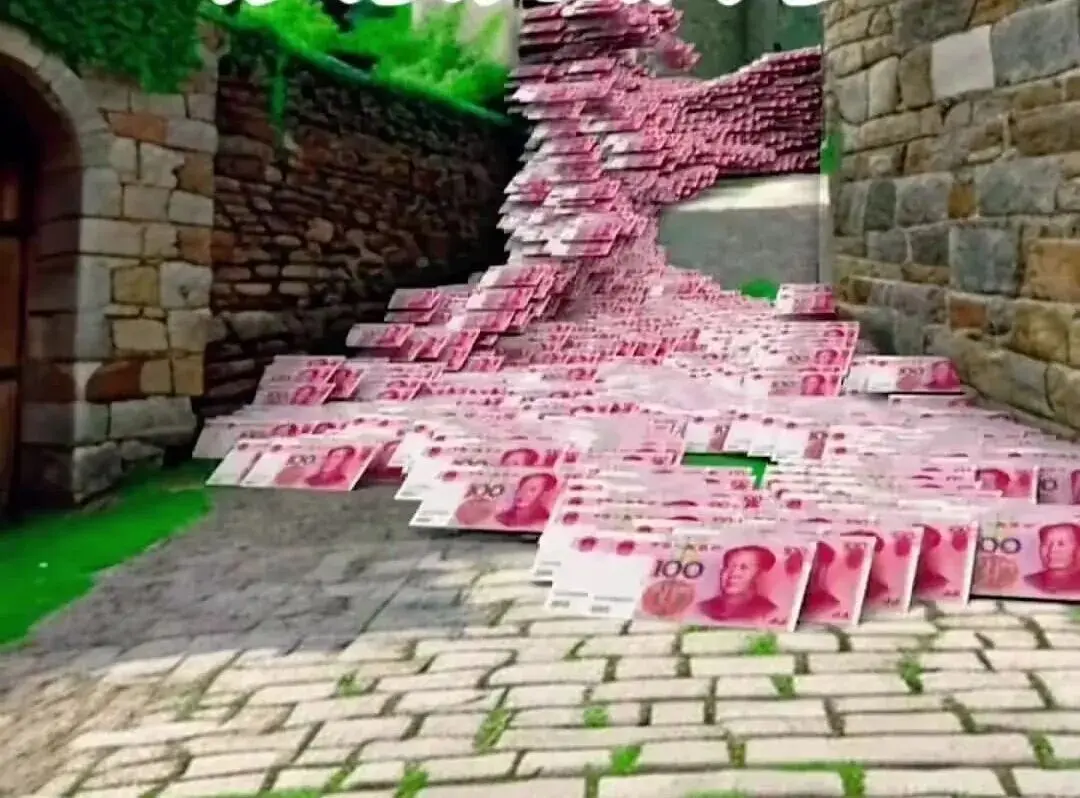
If we look at the same set of data from previous years, we can find many interesting things.
During the '10th Five-Year Plan' period (2001-2005), I couldn't find the exact figures for transfer payments. AI estimated that, excluding tax refunds, it was approximately 2.7 trillion yuan.
During the '11th Five-Year Plan' period (2006-2010), transfer payments, excluding tax refunds, amounted to 9.15 trillion yuan.
During the '12th Five-Year Plan' period (2011-2015), I couldn't find the transfer payment data for 2011, and AI estimated the total transfer payments to be about 22.88 trillion yuan.
During the '13th Five-Year Plan' period (2016-2020), transfer payments were 35.45 trillion yuan.
I believe that everyone can draw many conclusions from the changes in these figures. Some conclusions may not be convenient to state.
Suppose you went back to 2005 and said to a financial official or economist: 'In 20 years, the central government will give local governments 50 trillion yuan during the '14th Five-Year Plan' period!'
The other party would definitely refute you: 'You're talking nonsense! How could the central government give local governments 50 trillion yuan in five years? Do you know how much money there is in all of China? Let me tell you, the M2 balance is only 29.9 trillion yuan! Stop talking nonsense.'
It's hard for ordinary people's imagination to imagine the tremendous changes that will take place in the following 20 years!
二
At the end of July this year, the M2 balance was 329.94 trillion yuan, which is 11 times the 29.9 trillion yuan at the end of 2005.
And 50 trillion yuan in transfer payments over five years is 18.5 times the 2.7 trillion yuan during the '10th Five-Year Plan' period (2001-2005).
Looking at these figures, we can see that the most critical turning point occurred between the '10th Five-Year Plan' and the '11th Five-Year Plan'. The money the central government gave to local governments jumped from 2.7 trillion yuan to 9.15 trillion yuan, an increase of more than two times.
The key variable during this period was the 2008 global financial crisis, and the famous '4 trillion' economic stimulus plan emerged.
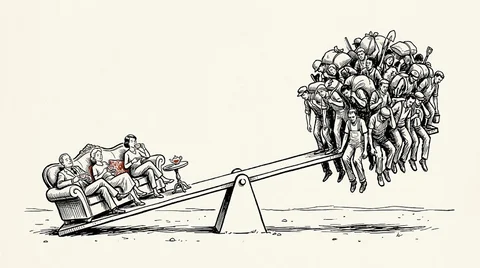
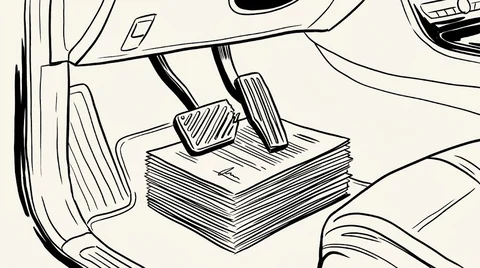
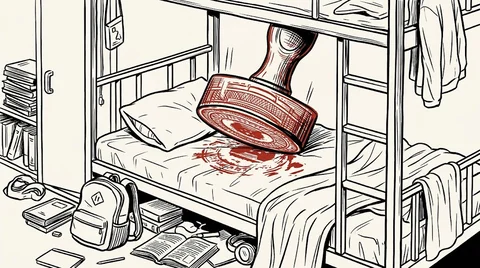
The '4 trillion' was not just a plan to print money to stimulate the economy; it was also accompanied by a significant reduction in the space for local competition, a decrease in the enthusiasm and initiative to develop the economy, and an increased reliance on transfer payments. In those years, many scholars pointed out that the financial power and the power to manage affairs of local governments did not match. The financial power was small, but there were many things to be done. But this trend not only did not reverse, but deepened. When the tasks assigned by the higher authorities to the grassroots became increasingly unmanageable, the goals set for the grassroots became more and more numerous, and the restrictions became more and more, formalism naturally prevailed. Because, formalism is an effective method to reduce costs and avoid actual losses.
In 2008, I wrote an article, and the title is a bit out of line now, so I won't write it out. The main content was that I felt the rise of Keynesianism and interventionism in public opinion, and I guessed that the tide of rapid economic growth might be receding.
You should know that in the 30 years from 1978 to 2008, China's economic growth rate was above 10% for 15 years! In other words, a growth rate of 10% was the normal growth rate at that time. But the media at that time actually shouted, 'China, please slow down, wait for your soul'! It's really both funny and infuriating.
Now? Let alone 10%, ask around, see how many people believe that the economic growth rate can return to 7%? Even, people think that more than 5% is normal. 7%, that's an unhealthy growth rate.
This is called a sea change!
The ancients talked about sea changes, and also said, 'I have seen the pines and cypresses turned into firewood, and I have heard that the mulberry fields have turned into the sea.'
It takes hundreds of years for 'pines and cypresses to be destroyed and turned into firewood'. Today, this kind of huge change doesn't need that long at all. It happens in a short period of time, when people are not paying attention.
三
In 1979, when the special economic zones were established, Deng Xiaoping said: 'The central government doesn't have money, we can give some policies, you can do it yourselves, and blaze a trail.' Thus, Shenzhen rose from a rural area to an international metropolis.
In the 1990s, local governments had the burden of inefficient state-owned enterprises, were heavily in debt, and relied on borrowing money from banks to maintain their finances. There was a term called 'blood transfusion economy', which meant that finances relied on blood transfusions from banks. Later, the higher authorities issued an order, and banks stopped lending money to local governments, but the higher authorities gave local governments policies. Local governments had autonomy, sold what should be sold, reformed what should be reformed, made concessions to the market, and attracted investment from entrepreneurs, which unexpectedly ushered in more than a decade of prosperity in China's economy. Therefore, giving loose policies is far better than giving money.