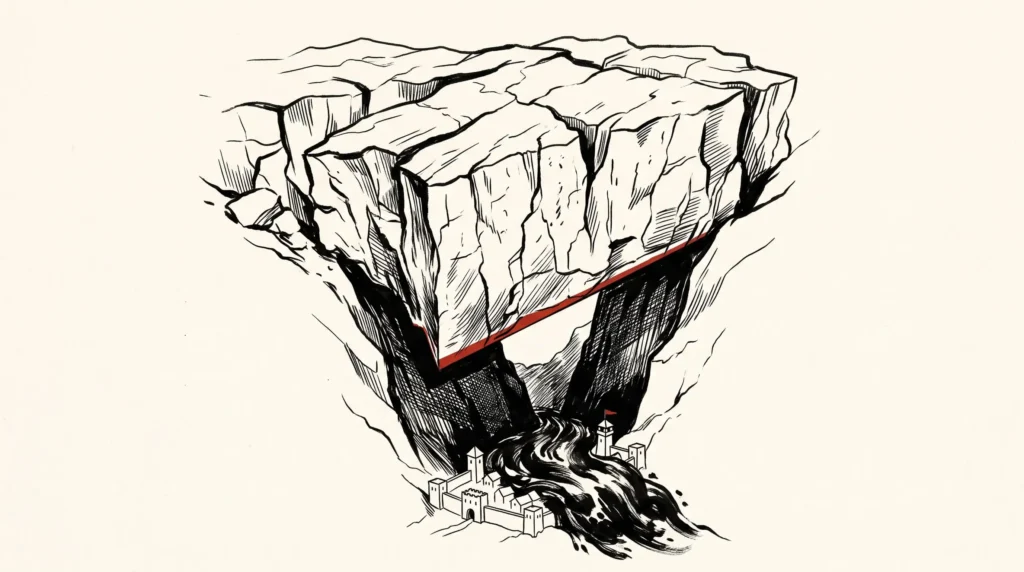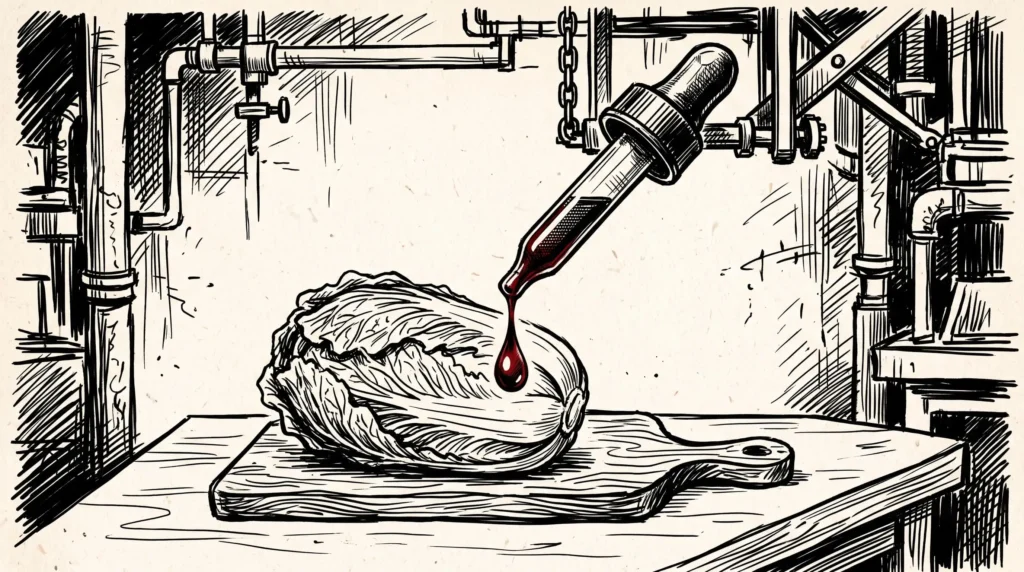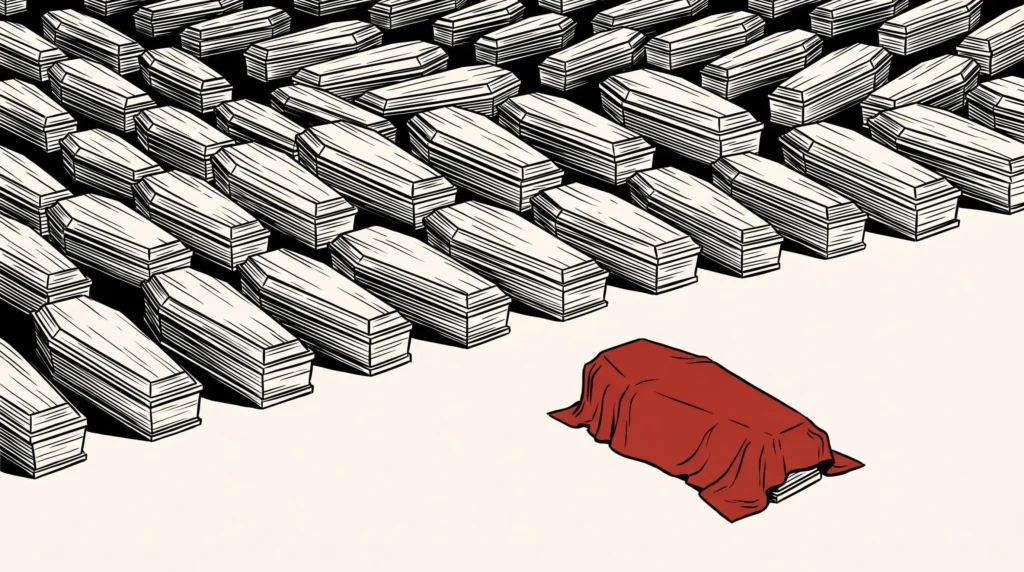
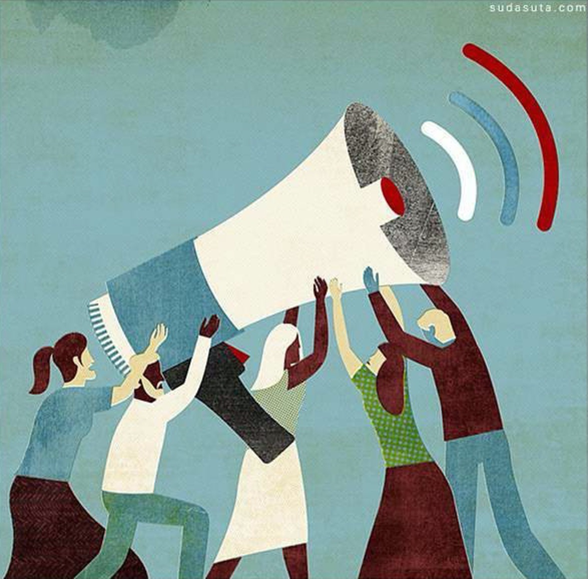
The over-moralized legal sanctions will base the basis of punishment on abstract concepts such as public sentiment and social values. The result will not only condone the abuse of public power, but also transform penalties and administrative punishments into tools for promoting certain moral concepts, thereby harming the rights and freedoms guaranteed by the rule of law.
——Professor Zhao Hong of China University of Political Science and Law
Yesterday, the second and third paragraphs of Article 34 of the “Public Security Administration Punishment Law (Revised Draft)” went viral. (I also wrote an article expressing my opposition: Article 34 of the “Public Security Administration Punishment Law” (Revised Draft), I object!)
Most of the groups I joined were discussing this matter, and there were posts about it every few lines in my Moments, and several articles about this matter had tens of thousands of likes…
This morning, I suddenly wondered how the media viewed this matter. So I went through the articles of the media public accounts that I often read these days, and then used the keyword “Public Security Administration Punishment Law” to search on the media public accounts to see if they had published any articles.
“Southern Metropolis Daily”, no.
“The Paper”, no.
“China Newsweek”, no.
“Beijing News”, no.
“Southern Weekend”, no.
“Southern Window”, no.
“China Youth Daily”, no.
“Sanlian Life Weekly”, no.
“Caixin”, no.
“Xinmin Evening News”, no.
“Cover News”, no.
“Jiemian News”, no.
“Red Star News”, no.
“Xiaoxiang Morning News”, no.
“Jiupai News”, no.
“Qilu Evening News”, no.
“Metropolis Express”, no.
“Xinwanbao”, no.
“New Weekly”, no.
“Vista”, no.
……
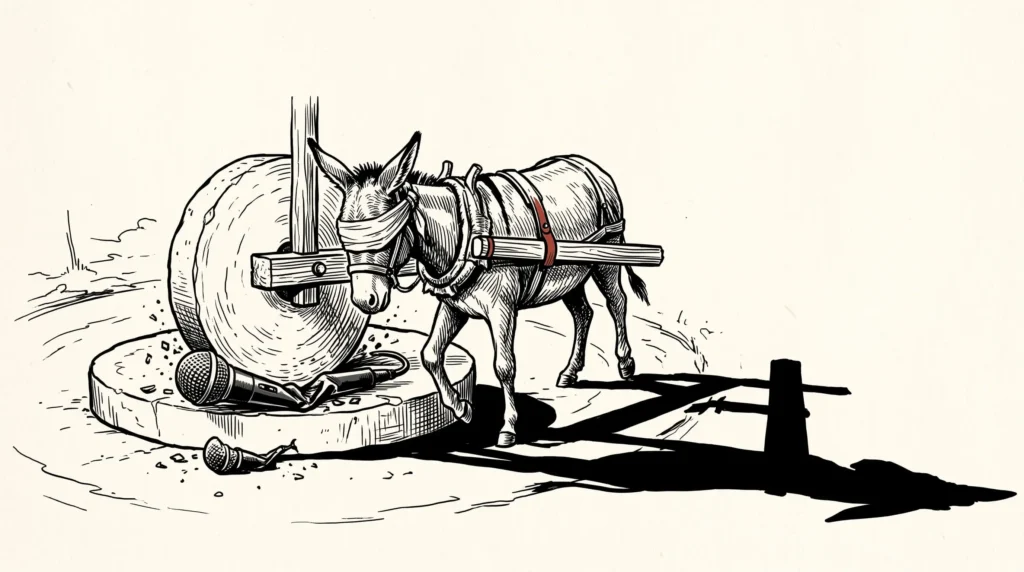
I think it is no longer necessary to list them, which can already explain a certain problem.
They published the subway judge, the diving uncle in Tianjin, the finale of “Escape from the British Museum”, and also said “Netizens are heartbroken to tears”, but they collectively maintained a decent and tacit silence on the “Public Security Administration Punishment Law (Revised Draft)” that involves all Chinese people.
This is not normal, not normal at all.
I used to work at “Southern Metropolis Daily” and saw the instructions that popped up from the internal system, what could not be reported, what should not be rendered, and there were regulations that outsiders could not see.
Therefore, I can understand the collective silence of the media, but seeing this scene of silence, I still feel sad.
Because, in addition to conveying the truth, the mass media also plays the role of “agenda setting” on major public issues. Although the mass media cannot determine people’s specific views on a certain issue, it can completely guide people to discuss it through reporting.
And the public will also change their understanding of the importance of a certain issue because of the media’s reports themselves and the number of reports. In other words, the more the mass media reports, the more people will feel that it is an important matter.
Only when it is valued and discussed can a vocal public opinion field be formed, more and more public awareness can be formed, and it is possible to promote difficult changes in certain things.
But, unfortunately, this function of traditional media has long been replaced by new media. On more and more public issues, traditional media are increasingly showing a state of shrinking, not daring to speak out, and not being able to speak out. They can only focus their attention on the trivial matters of ordinary people.
Our traditional media have gradually lost their perception and influence on real problems.
Instead, a group of self-media and professionals have taken up the responsibility of public opinion.
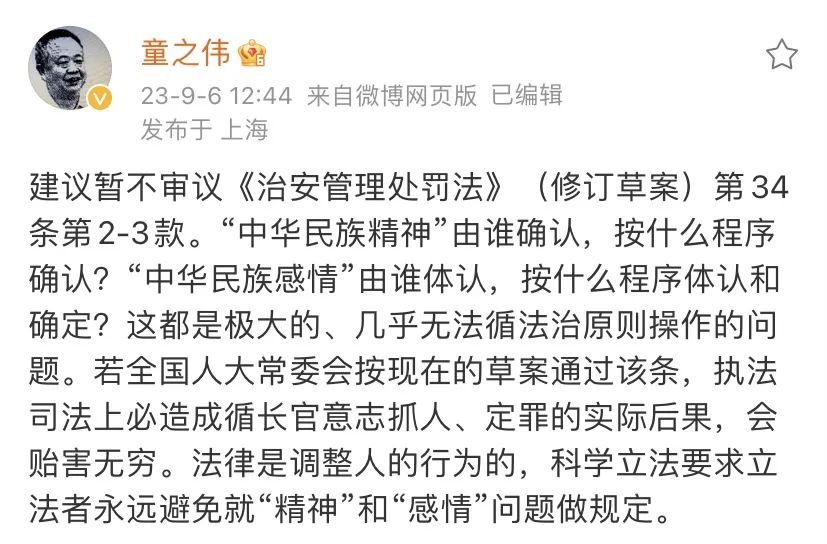
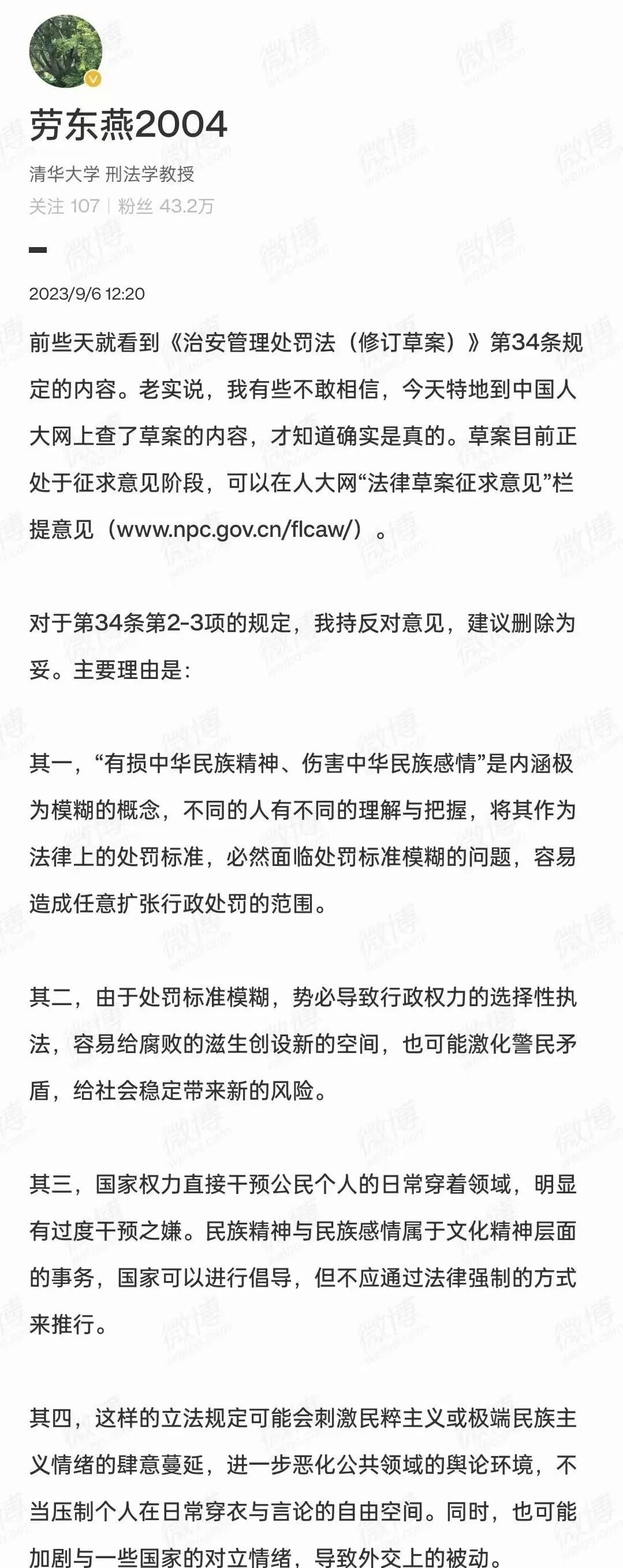
In addition to countless self-media, the most important voices are also some famous people in the legal circles, such as Professor Lao Dongyan of the Law School of Tsinghua University, Professor Che Hao of the Law School of Peking University, Professor Tong Zhiwei of the Constitution of East China University of Political Science and Law, Professor Liu Sida of the Law School of the University of Hong Kong, Professor Zhao Hong of China University of Political Science and Law, and Associate Professor Ye Zusheng of South China University of Technology.
But their remarks are almost always published on their personal Weibo and Moments, or on their own WeChat public accounts. If they are not forwarded and quoted by other self-media, the people they reach are very limited.
I remember that in the past, similar events should have been handled like “Phoenix Net”, inviting real industry insiders to write articles or be interviewed to provide professional opinions, so as to arouse more discussion.
But now, on certain issues, such operations are becoming less and less.
When more and more strange phenomena appear in this society, and the media intentionally or is forced to ignore them, only we, the loose individuals, stand up heroically and speak out for ourselves.
The solicitation of opinions for the revised draft of the “Public Security Administration Punishment Law” is from September 1, 2023 to September 30, 2023.
Before September 30, the public can submit their opinions through the China NPC website or the National Law and Regulations Database. The specific website link is:
https://www.npc.gov.cn/flcaw/userIndex.html?lid=ff8081818a22132f018a499710595932
You can copy it to your browser and open it to fill in your opinions.
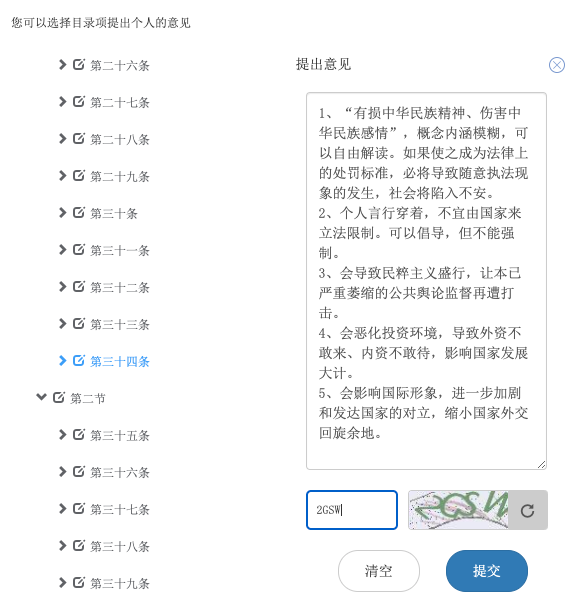
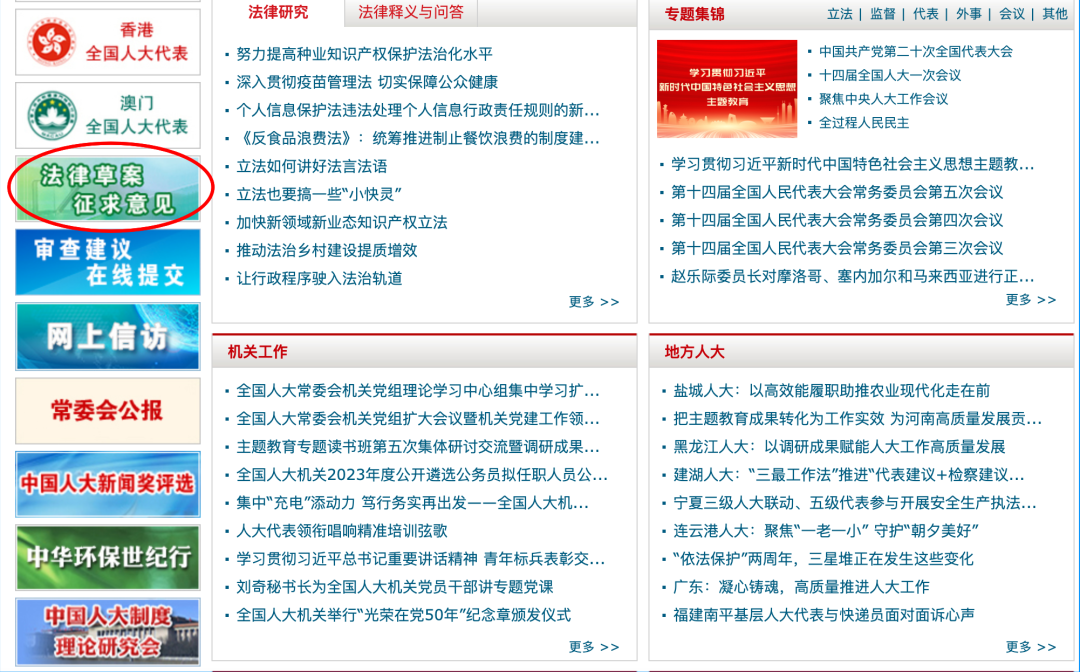
If the webpage cannot be opened, you can also log in to the China NPC website (www.npc.gov.cn) first, then scroll down the webpage, find the icon of “Soliciting Opinions on Legal Drafts” on the left, and after entering, select “Soliciting Opinions on the Public Security Administration Punishment Law (Revised Draft)” in the fifth “Soliciting Opinions in Progress” to submit your opinions.
Don’t think that the revised draft of the “Public Security Administration Punishment Law” has nothing to do with you, don’t think that you can be the exception, don’t think that speaking out is useless, no matter how small an individual is, they also have the dignity of not yielding.
Havel said: “We firmly believe in one thing, not because it will be effective to do so, but because we believe that it is right to do so.“
Speaking out now is to call for help for your future self.
—The End—
Discover more from 自由档案馆
Subscribe to get the latest posts sent to your email.